

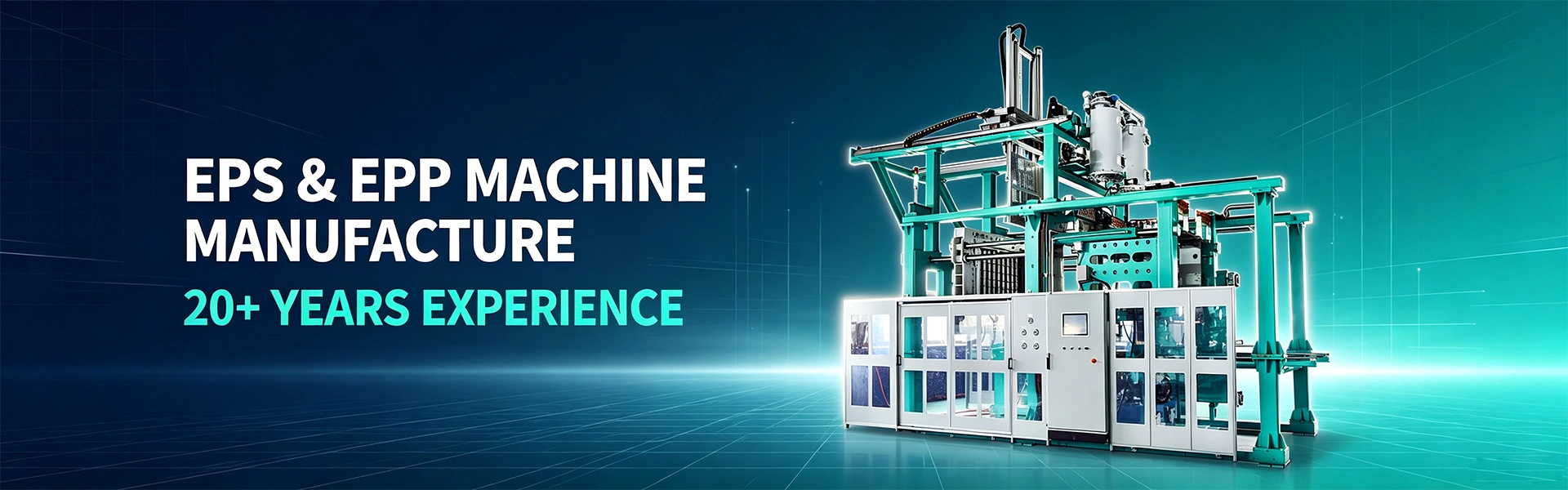


Hangzhou Epsole Machinery Co., Ltd. is one of the most reliable manufacturers and suppliers of hydraulic moulding machine in China. We warmly welcome you to buy high quality hydraulic moulding machine for sale here from our factory. Good service and reasonable price are available.
What is a Hydraulic Moulding Machine?
A hydraulic moulding machine uses hydraulic systems to generate the force needed to mold materials into desired shapes. The hydraulic system consists of a pump, cylinders, and valves that control the flow of hydraulic fluid to apply pressure. These machines are known for their high precision, efficiency, and ability to handle large-scale production.
Types of Hydraulic Moulding Machines
Hydraulic Injection Moulding Machines:
Used for molding plastic parts by injecting molten plastic into a mold under high pressure.
Common in the production of consumer goods, automotive parts, and packaging.
Hydraulic Compression Moulding Machines:
Used for molding materials like rubber, composites, and thermosetting plastics by applying heat and pressure.
Ideal for producing tires, gaskets, and composite panels.
Hydraulic Foam Moulding Machines:
Used for molding foam materials like Expanded Polystyrene (EPS) or polyurethane foam.
Common in packaging, insulation, and cushioning applications.
Hydraulic Press Machines:
Used for shaping metal sheets, plastics, and other materials through compression.
Applications include metal forming, stamping, and laminating.
Components of a Hydraulic Moulding Machine
Hydraulic System:
Hydraulic Pump: Generates the pressure needed to operate the machine.
Hydraulic Cylinders: Convert hydraulic pressure into mechanical force.
Control Valves: Regulate the flow and direction of hydraulic fluid.
Mold:
The cavity or tool that defines the shape of the final product.
Made from materials like steel, aluminum, or composite.
Heating System:
Heats the material to a pliable state for molding.
Can use electric heaters, steam, or hot oil.
Control Panel:
A computerized system that monitors and controls the molding process.
Feeding System:
Automatically feeds raw material (e.g., plastic pellets, foam beads) into the machine.
Cooling System:
Cools the molded product to solidify it before demolding.
Ejection System:
Removes the finished product from the mold.
Working Principle of a Hydraulic Moulding Machine
Material Preparation:
Raw material (e.g., plastic pellets, foam beads) is prepared for molding.
Heating:
The material is heated to a specific temperature to make it pliable.
Molding:
The material is pressed or injected into the mold cavity using hydraulic pressure.
Cooling:
The molded product is cooled to stabilize its shape.
Demolding:
The finished product is ejected from the mold.
Post-Processing:
The product may undergo additional processes like trimming or finishing.
Applications of Hydraulic Moulding Machines
Automotive:
Manufacturing dashboards, seats, bumpers, and interior components.
Packaging:
Producing foam inserts, plastic containers, and protective packaging.
Consumer Goods:
Making toys, furniture, and household items.
Construction:
Creating insulation panels, roofing materials, and composite structures.
Medical:
Producing medical device components and packaging.
Aerospace:
Manufacturing lightweight composite parts.
Advantages of Hydraulic Moulding Machines
High Precision: Capable of producing complex shapes with high accuracy.
Efficiency: Automates the molding process, reducing labor costs.
Versatility: Can handle a wide range of materials and designs.
Scalability: Suitable for both small-scale and mass production.
Key Considerations When Choosing a Hydraulic Moulding Machine
Material Type:
Choose a machine compatible with the material you plan to mold (e.g., plastic, foam, rubber).
Production Volume:
Select a machine that meets your production requirements (small-scale vs. mass production).
Mold Complexity:
Ensure the machine can handle the complexity of your desired shapes.
Automation Level:
Decide between manual, semi-automatic, or fully automatic machines.
Energy Efficiency:
Look for machines with energy-saving features to reduce operating costs.
Maintenance:
Consider the ease of maintenance and availability of spare parts.
Budget:
Balance the initial cost with the machine's features and capabilities.

Hot Tags: hydraulic moulding machine, China, manufacturers, suppliers, factory, price, vacuum, for sale, Customized Eps Vaccum Shape Moulding Machine, eps fish box making machine, eps fish box molding machine, eps foam box, eps cup making machine, Molded Polystyrene machine