

If you've ever wandered through a warehouse packing plant, a construction site, or a custom foam product workshop, chances are you've seen pieces of expanded polystyrene (EPS) - the lightweight, resilient foam used for protective packaging, building insulation, and even craft projects. As a shape moulding machine supplier, I get asked this question all the time: "Can a shape moulding machine be used for foam molding?" The short answer is yes, but there's a lot more nuance to it than just hitting "start." Over the years, I've worked with small business owners, construction contractors, and product designers who thought foam molding was only for big, dedicated industrial machines - and left with a clearer idea of how versatile shape moulding tech really is.
Let's start by breaking down what each term means, because that's where a lot of confusion comes in. A shape moulding machine is designed to take raw material and form it into a specific, custom shape, whether that's a car bumper insert, a wall panel, or a packaging insert for a laptop. Foam molding, on the other hand, refers to any process that creates porous, lightweight foam products, with EPS being one of the most common variants thanks to its low cost, excellent insulation properties, and moldability.
For most people new to this space, the first foam application that comes to mind is packaging - the big, crumbly styrofoam blocks that protect appliances during shipping. That's exactly where a shape moulding machine shines. EPS starts as small, bead-like raw material, and the process for molding it is simple at its core: you load the beads into a custom mold, apply a small amount of steam to expand them, and the beads fuse together to form a solid, shaped piece. What makes a shape moulding machine perfect for this? It's built to handle all of those steps automatically, with precise controls for steam pressure, temperature, and cooling time to ensure every piece comes out consistent.
I've seen this firsthand with clients who make custom protective packaging for electronics. A small boutique packaging shop once came to me saying they were considering investing in separate dedicated foam molding equipment, but wanted to use their existing shape moulding machine to cut costs. By integrating the right mold adjustments into their shape moulding machine - nothing complicated, just tailored settings for EPS beads - they were able to produce custom foam inserts that fit perfectly around smartphones, tablets, and even flat-screen TVs. That's where one of our key products comes in: the EPS Polystyrene Styrofoam Insulation Packaging Machine is specifically configured to handle this exact application, with adjustable cycle times that make it easy to switch between different packaging sizes without a full machine overhaul.
Of course, foam molding isn't just for small packaging pieces. The construction industry relies heavily on foam for insulation, and that's another area where shape moulding machines work seamlessly. Insulated Concrete Forms (ICFs) are a game-changer for energy-efficient building construction - they're hollow foam blocks that stack like bricks, then get filled with concrete to create walls that stay warm in winter and cool in summer. ICFs are made using EPS foam, and many construction companies are now using shape moulding machines tailored for this job instead of dedicated ICF foam equipment. Our EPS ICF Moulding Machine is built for this purpose, with large-capacity molds that can produce the large, rectangular ICF blocks contractors need, with consistent density that meets building code requirements. What I like about this application is that it's not just for big commercial projects - small custom home builders can also use shape moulding machines to make smaller, custom ICF pieces for unique design elements, like curved walls or angled corners, that standard pre-made ICF blocks don't offer.
One of the most common misconceptions I hear is that shape moulding machines can only handle one specific type of foam. That's not true - in fact, many of our clients use their shape moulding machines to make a wide range of foam products, from packaging to insulation to even custom parts for playground equipment. Our EPS Products Shape Moulding Machine is designed with modular components that let you swap out small parts to handle different foam types, including expanded polyethylene (EPE) and even ETPU (expanded thermoplastic polyurethane), which is a more durable, flexible foam often used in protective gear and sports equipment. That versatility is a big selling point for small businesses that don't have the budget for multiple dedicated machines - one shape moulding machine can handle most of their foam molding needs.
But here's the thing: while shape moulding machines can definitely be used for foam molding, there are a few key considerations to make sure you get consistent, high-quality results. The first is mold design. Foam expands when it's heated, so the mold has to be slightly smaller than the final desired piece to account for expansion. If the mold is too big, the foam will be too sparse and flimsy; too small, and you'll get incomplete filling, with gaps or weak spots. That's why working with a supplier who understands both shape moulding and foam is critical - we help our clients design molds that account for their specific foam type, density requirements, and end product use case.
The second consideration is machine settings. Foam molding requires precise control of steam pressure and cooling time. Too much steam, and the foam beads will over-expand, leading to a weak, crumbly piece; too little, and the beads won't fuse properly, so the piece will fall apart easily. That's where features like our EPS One Key Change Mold Machine come in - this machine has pre-programmed settings for different foam types and mold sizes, so you don't have to spend hours adjusting pressure and temperature every time you switch products. It's especially helpful for small businesses that run multiple production runs a day, like making packaging for laptops in the morning and custom foam inserts for kitchen appliances in the afternoon.
Another important point is material compatibility. Not all foams work the same way in shape moulding machines. For example, EPS is the most common, but ETPU, which we offer molds for in our ICF Mould With ETPU Shape Mould Machine, requires slightly different processing. ETPU is more flexible and durable than EPS, so it needs lower steam pressure and shorter cycle times to avoid damaging the foam structure. If you try to use EPS settings for ETPU, you'll end up with foam that's too soft or has inconsistent density. That's why taking the time to test your foam material with your shape moulding machine before starting full production is always a good idea - most suppliers, including us, offer trial runs to help you work out any kinks.
I've also seen clients who were hesitant to switch to using shape moulding machines for foam molding because they thought the machines would be too hard to operate. That's changed a lot in recent years, thanks to advances in automation. Modern shape moulding machines for foam have touchscreen controls, automated material loading, and built-in quality checks that alert you if a piece is coming out too dense or not fused properly. For example, our EPS shape moulding machines have sensors that measure foam density during production, so you can be sure every piece meets your specifications without having to test every single one. That's a big win for businesses that need high volume, consistent products without adding extra labor costs.
Now, let's talk about real-world examples to put this all in perspective. A friend of mine runs a small custom packaging business in Ohio - he started out with a small shape moulding machine for making custom plastic parts, and a few years ago, he decided to add foam packaging to his offerings. Instead of buying a separate foam molding machine, he worked with us to adjust his existing shape moulding machine, add an EPS mold, and adjust the settings. Now he produces custom foam inserts for medical devices, power tools, and even musical instruments, and he's able to offer faster turnaround times than his competitors who only use dedicated foam machines. He told me recently that this move added 30% more revenue to his business in the first year, all without the cost of a new machine.
On the construction side, a contractor in Texas was frustrated with pre-made ICF blocks that often didn't fit perfectly for his custom home builds. He invested in an EPS ICF moulding machine paired with a shape moulding machine, and now he can make custom ICF pieces on-site, reducing waste by 25% and cutting down on construction time because he doesn't have to wait for pre-made blocks to be delivered. That's the kind of practical benefit that makes using a shape moulding machine for foam molding worth it for many businesses.
Of course, there are limits to what a shape moulding machine can do for foam molding. If you need very high-volume production (like millions of identical foam parts a month), a dedicated foam molding machine might be more efficient. Or if you need very small, intricate foam parts (like the tiny foam inserts used in electronics components), you'll need a machine with precise small-scale controls that some shape moulding machines don't offer. But for most small to medium-sized businesses, and even many larger ones, a shape moulding machine is more than capable of handling foam molding needs - and it's often more cost-effective than buying separate equipment.

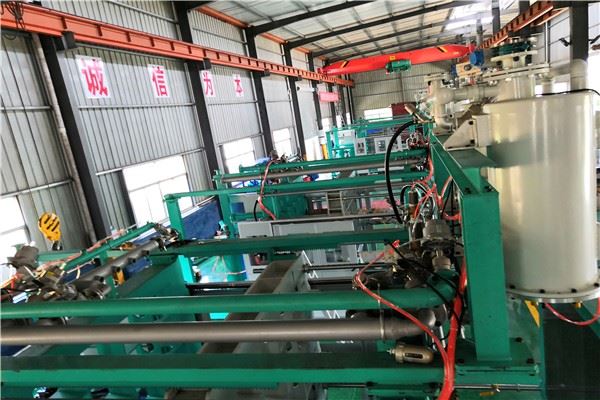
If you're considering making the switch or investing in a shape moulding machine for foam molding, the most important thing is to work with a supplier who knows both shape moulding and foam. A good supplier won't just sell you a machine - they'll help you choose the right mold, adjust settings for your specific foam type, and offer support when you're setting up your production. Whether you're looking for a machine for packaging, construction insulation, or custom foam parts, taking the time to understand how shape moulding and foam work together will help you make the right decision for your business.
If you're ready to explore how a shape moulding machine can work for your foam molding needs, we're here to help. Our team has years of experience working with businesses of all sizes, from small startups to large construction companies, and we can walk you through the options, from our specialized EPS foam machines to our versatile models that handle multiple foam types. Whether you're looking to upgrade your current production or start a new line of foam products, we can help you find the right solution that fits your budget and your goals.