

In today's industrial landscape, the efficient utilization of energy resources is not just a matter of cost savings but also a crucial step towards sustainable development. Steam is one of the most widely used energy carriers in various industries, including food processing, chemical manufacturing, and packaging. However, a significant amount of steam is often wasted in the form of exhaust steam, which not only represents a loss of energy but also contributes to environmental pollution. This is where a Waste Steam Recycler comes into play, offering a practical solution to optimize steam utilization and reduce energy waste.
As a leading supplier of Waste Steam Recyclers, we have witnessed firsthand the transformative impact our technology can have on industrial operations. Our Waste Steam Recyclers are designed to capture and reuse waste steam, converting it into valuable energy that can be used for various processes. By doing so, we help our customers reduce their energy consumption, lower their operating costs, and minimize their environmental footprint.
Understanding Waste Steam and Its Impact
Before delving into how a Waste Steam Recycler optimizes steam utilization, it's important to understand what waste steam is and why it's a problem. Waste steam is the steam that is discharged from industrial processes after it has been used. This steam is often still at a relatively high temperature and pressure, but it is typically released into the atmosphere or condensed and discarded.
The release of waste steam represents a significant waste of energy. In many industries, waste steam can account for up to 20 - 30% of the total steam consumption. This not only increases the cost of energy but also contributes to greenhouse gas emissions, as the generation of steam typically involves the burning of fossil fuels.
How a Waste Steam Recycler Works
A Waste Steam Recycler is a specialized device that captures waste steam and converts it into useful energy. The basic principle behind a Waste Steam Recycler is heat exchanger technology. The recycler consists of a heat exchanger that transfers the heat from the waste steam to a working fluid, such as water or a refrigerant. The working fluid is then heated and converted into steam, which can be used for various industrial processes.
There are several types of Waste Steam Recyclers available on the market, each with its own unique design and operating principle. Some recyclers use a direct contact heat exchanger, where the waste steam comes into direct contact with the working fluid. This type of recycler is simple and efficient but may not be suitable for all applications. Other recyclers use an indirect contact heat exchanger, where the waste steam and the working fluid are separated by a heat transfer surface. This type of recycler is more versatile and can be used in a wider range of applications.
Optimizing Steam Utilization with a Waste Steam Recycler
The primary way a Waste Steam Recycler optimizes steam utilization is by reducing the amount of fresh steam that needs to be generated. By capturing and reusing waste steam, the recycler can provide a significant portion of the steam required for industrial processes, thereby reducing the demand for fresh steam.
In addition to reducing fresh steam consumption, a Waste Steam Recycler can also improve the overall efficiency of the steam system. By recycling waste steam, the recycler can maintain a more stable steam pressure and temperature, which can improve the performance of steam-driven equipment such as turbines, pumps, and heat exchangers. This can lead to increased productivity, reduced downtime, and improved product quality.
Another way a Waste Steam Recycler optimizes steam utilization is by reducing the amount of energy required to generate steam. Since waste steam is already at a relatively high temperature and pressure, it requires less energy to convert it into useful steam compared to generating fresh steam from cold water. This can result in significant energy savings and cost reductions for industrial operations.
Real - World Applications
Our Waste Steam Recyclers have been successfully implemented in a wide range of industries. For example, in the food processing industry, waste steam from cooking and sterilization processes can be recycled and used to pre - heat water or generate steam for other processes. This not only reduces energy costs but also helps to maintain a clean and hygienic production environment.
In the packaging industry, specifically in the production of Polystyrene Pre Expander, EPS Foam Production Line, and Thermocol Moulding Machine, steam is used for the expansion and molding of polystyrene beads. A significant amount of waste steam is generated during these processes, which can be recycled using our Waste Steam Recyclers. By recycling this waste steam, manufacturers can reduce their energy consumption and improve the efficiency of their production lines.
Benefits of Using a Waste Steam Recycler
The benefits of using a Waste Steam Recycler are numerous. Firstly, it offers significant energy savings. By recycling waste steam, industrial facilities can reduce their reliance on fresh steam, which can lead to substantial cost savings on energy bills. In some cases, the energy savings can be as high as 20 - 30%.
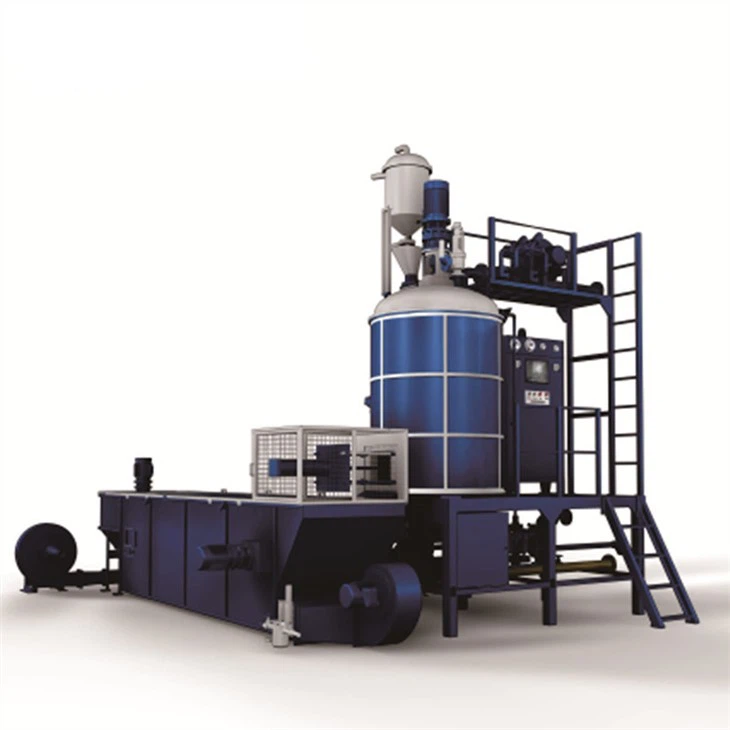

Secondly, a Waste Steam Recycler helps to reduce environmental impact. By reducing the amount of steam that needs to be generated from fossil fuels, it can significantly lower greenhouse gas emissions. This aligns with the growing global focus on sustainability and environmental responsibility.
Thirdly, a Waste Steam Recycler can improve the reliability and performance of industrial processes. By maintaining a more stable steam supply, it can reduce the risk of equipment failures and downtime, which can enhance productivity and product quality.
Factors to Consider When Choosing a Waste Steam Recycler
When choosing a Waste Steam Recycler, there are several factors to consider. Firstly, you need to consider the type and quantity of waste steam generated by your industrial process. Different types of recyclers are suitable for different steam conditions, so it's important to choose a recycler that can effectively handle your waste steam.
Secondly, you need to consider the efficiency of the recycler. A more efficient recycler will be able to convert a higher percentage of the waste steam into useful energy, resulting in greater energy savings. You should also consider the maintenance requirements of the recycler. A recycler that is easy to maintain will require less downtime and lower maintenance costs.
Conclusion
In conclusion, a Waste Steam Recycler is a valuable tool for optimizing steam utilization in industrial processes. As a supplier of Waste Steam Recyclers, we are committed to providing our customers with high - quality, efficient, and reliable solutions that can help them reduce their energy consumption, lower their operating costs, and minimize their environmental impact.
If you are interested in optimizing your steam utilization and reducing your energy waste, we invite you to reach out to us for a consultation. Our team of experts can help you assess your steam system, recommend the most suitable Waste Steam Recycler for your needs, and provide you with a comprehensive solution that meets your requirements. Contact us today to start your journey towards a more sustainable and efficient industrial operation.
References
- Brown, S. (2019). Energy Efficiency in Industrial Steam Systems. Springer.
- Smith, J. (2020). Waste Heat Recovery Technologies. Elsevier.
- Green, R. (2021). Sustainable Energy Practices in Manufacturing. Wiley.