

As a supplier of Aging Silos for EPS, I often get asked about the flow rate of air in these aging silos. It's a crucial topic because the right air - flow rate can significantly impact the quality of Expanded Polystyrene (EPS) products. So, let's dive right into it.
First off, what are aging silos for EPS? Well, after the EPS beads are pre - expanded in a Batch EPS Foam Pre - Expander, they need to age. Aging is a process where the pre - expanded beads are stored for a certain period to allow the internal pressure of the beads to equalize with the atmospheric pressure. This makes the beads more stable and ready for the next step in the manufacturing process, which is usually molding using a Styrofoam Making Machine or an Auto Foam Shape Machine.
Now, back to the air flow rate. The air flow rate in aging silos for EPS is basically the volume of air that passes through the silo per unit of time. It's measured in cubic meters per hour (m³/h) or cubic feet per minute (CFM). The ideal air flow rate depends on several factors.
One of the key factors is the size of the aging silo. Larger silos generally require a higher air flow rate to ensure that all the EPS beads are properly aerated. If the silo is too big and the air flow rate is too low, the beads at the center might not get enough air, which can lead to uneven aging. On the other hand, if the air flow rate is too high, it can cause the beads to move around too much, potentially damaging them.
The density of the EPS beads also plays a role. Beads with a higher density need more air to age properly. This is because denser beads have less space between them, so the air has a harder time penetrating through the bead mass. For example, if you're dealing with high - density EPS beads used for structural applications, you'll likely need to set a higher air flow rate compared to low - density beads used for packaging.
The moisture content of the beads is another important factor. If the beads have a high moisture content, a higher air flow rate can help in drying them out during the aging process. Moisture can affect the quality of the final EPS product, causing issues like warping or reduced strength. So, by adjusting the air flow rate, we can control the moisture removal and ensure that the beads are in the best condition for molding.
Temperature also impacts the air flow rate. In colder temperatures, the air might need to be circulated more quickly to maintain the right aging conditions. Cold air can slow down the aging process, so increasing the air flow rate can help keep the beads at an optimal temperature for aging.
So, how do we determine the right air flow rate? Well, it's not an exact science, but there are some general guidelines. A good starting point is to consult the manufacturer's recommendations for the specific type of EPS beads you're using. They usually have data based on their research and testing.
You can also do some trial and error. Start with a moderate air flow rate and monitor the aging process. Check the beads regularly for signs of proper aging, such as a consistent texture and the right level of firmness. If you notice that the beads aren't aging evenly or if there are issues with moisture, you can adjust the air flow rate accordingly.
In practice, most aging silos for EPS have adjustable air flow systems. These systems allow you to fine - tune the air flow rate based on the factors I mentioned earlier. Some advanced systems even use sensors to monitor the temperature, moisture, and other parameters inside the silo and automatically adjust the air flow rate.
Another thing to keep in mind is the air quality. The air that's circulated through the aging silo should be clean and free of contaminants. Dust, dirt, or chemicals in the air can stick to the EPS beads and affect the quality of the final product. So, it's important to have proper air filtration systems in place.
Now, why is all this important for you as a customer? Well, if you're in the business of making EPS products, getting the air flow rate right in your aging silos can lead to better - quality products. This means fewer rejects, higher customer satisfaction, and ultimately, more profit for your business.
If you're using our Aging Silos for EPS, we're here to help you figure out the best air flow rate for your specific needs. Our team has years of experience in the EPS industry and can provide you with expert advice and support. Whether you're a small - scale producer or a large - scale manufacturer, we can work with you to optimize your aging process.
If you're interested in learning more about our Aging Silos for EPS or if you have any questions about air flow rates or other aspects of the EPS manufacturing process, don't hesitate to reach out. We're always happy to have a chat and discuss how we can help you improve your production.
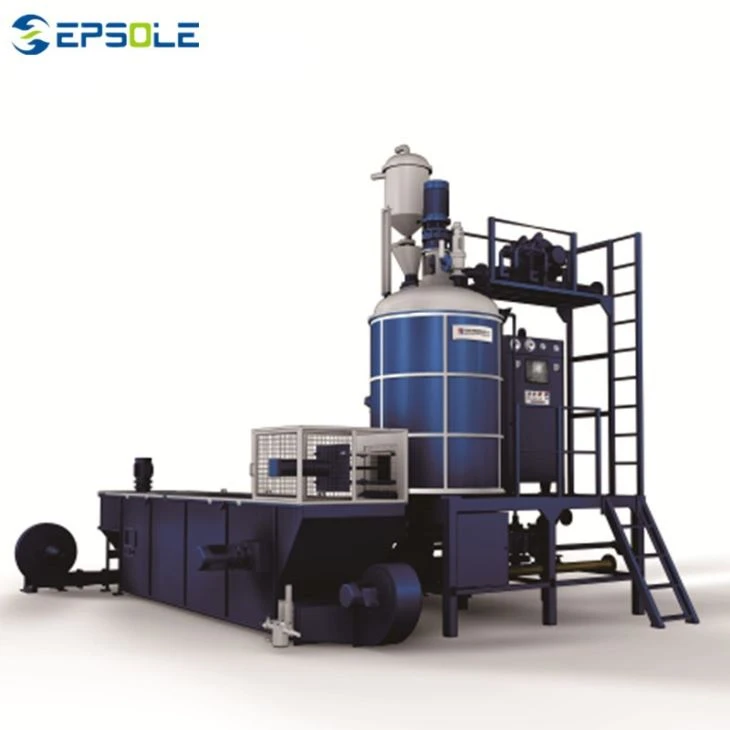

In conclusion, the air flow rate in aging silos for EPS is a critical parameter that can make or break the quality of your EPS products. By considering factors like silo size, bead density, moisture content, and temperature, and by using the right techniques to determine and adjust the air flow rate, you can ensure that your EPS beads age properly and result in high - quality products. So, if you're looking for a reliable supplier of Aging Silos for EPS and need help with getting the air flow rate just right, give us a shout. We're ready to partner with you and take your EPS production to the next level.
References
- Industry reports on EPS manufacturing processes
- Research papers on the aging of Expanded Polystyrene beads