

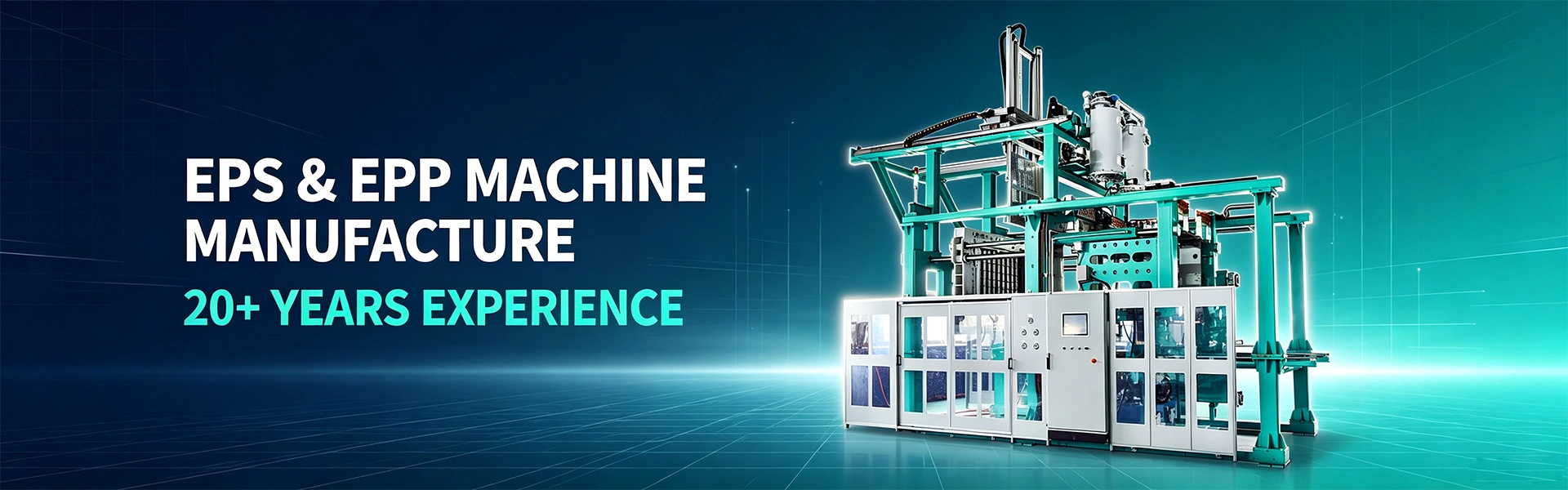


Hangzhou Epsole Machinery Co., Ltd. is one of the most reliable manufacturers and suppliers of thermal insulation machine in China. We warmly welcome you to buy high quality thermal insulation machine for sale here from our factory. Good service and reasonable price are available.
Types of Insulation Machines
Foam Insulation Machines
Working Principle: Foam insulation machines, such as those used for polyurethane and polystyrene foams, work on the principle of physical or chemical foaming. In chemical foaming, raw materials such as polyols and isocyanates (for polyurethane) are mixed with a blowing agent and a catalyst. The chemical reaction between these ingredients produces carbon dioxide gas, which expands the material and forms a foam. For physical foaming, a gas (such as air or nitrogen) is mixed into a liquid polymer under high pressure, and when the pressure is released, the gas expands to form a foam structure.
Applications: These machines are widely used in the construction industry to produce insulation panels for walls, roofs, and floors. Foam insulation has excellent heat resistance and reduces heat transfer, thereby reducing energy consumption. In the manufacture of refrigerators and freezers, foam insulation helps maintain the desired internal temperature, minimizing the workload of the cooling system.
Fiberglass Insulation Machines
Production Process: Fiberglass insulation machines make insulation by melting glass at high temperatures (approximately 1300 - 1400°C). The molten glass is then extruded through fine nozzles to form fine fibers. These fibers are then sprayed with a binder that binds them together to form a mat-like structure. The mat is further processed to achieve the desired thickness and density.
Advantages: Fiberglass insulation has high tensile strength and is resistant to fire, moisture, and most chemicals. It is a popular choice for insulating pipes, tubes, and attics. The non-flammable nature of fiberglass makes it a safe choice for buildings, especially in areas where fire safety is a concern.
Mineral Wool Insulation Machine
Manufacturing Technology: Mineral wool insulation is made from natural or recycled minerals such as basalt or slag. The raw materials are melted in a furnace at extremely high temperatures (about 1500 - 1600°C). The molten material is then spun into fibers using a high-speed spinning machine. Similar to fiberglass, a binder is added to the fibers to form a bonded structure. The resulting material can be cut into batts or rolls for easy installation.
Features: Mineral wool insulation has excellent sound absorption properties in addition to its thermal insulation capabilities. It also resists mold growth and is suitable for use in damp environments such as basements.
Key Components of Insulation Machines
Mixing System
The mixing system is a key component in foam insulation machines. It precisely controls the ratio of raw materials to ensure consistent quality of insulation. High-precision metering pumps and agitators are used to thoroughly mix the components. Inaccurate mixing can result in poor insulation properties, such as reduced thermal resistance or improper foam formation.
Heating and Cooling Systems
In machines that produce fiberglass and mineral wool insulation, heating systems are essential for melting the raw materials. These heating systems are usually electric or gas furnaces that are able to reach and maintain the very high temperatures required for the production process. On the other hand, cooling systems are sometimes required to quickly solidify the insulation material after it has been formed. For example, in foam insulation production, cooling helps to set the foam structure and achieve the desired density.
Forming and Shaping Equipment
These devices give the insulation material its final shape. For insulation boards, a press or forming chamber is used to form the material to the desired size. For roll or batt insulation, a conveying system and cutting mechanism are used to produce the correct length and width. The accuracy of these forming and shaping devices directly affects the ease of installation and the overall performance of the insulation material.
Benefits of Insulation Machines
Energy Efficiency: By producing high-quality insulation materials, these machines contribute to significant energy savings. In buildings, well-insulated walls, roofs, and floors can reduce heating and cooling costs by up to 30-50%.
Product Consistency: Insulation machines ensure consistent quality of insulation materials. Precise control of the production process results in insulation products with uniform thermal conductivity, density, and other physical properties.
Versatility: These machines can produce a wide range of insulation materials to suit different applications. From rigid foam boards for exterior wall insulation to flexible fiberglass rolls for insulating pipes, the versatility of insulation machines enables custom insulation solutions.


Hot Tags: thermal insulation machine, China, manufacturers, suppliers, factory, price, vacuum, for sale, Eps Block Forming Machine, eps sandwich panel, EPS Styrofoam Block Machine Production Line, Expandable Polystyrene Blocks Production Line, polystyrene flooring, China Automatic EPS Block Moulding Machine