

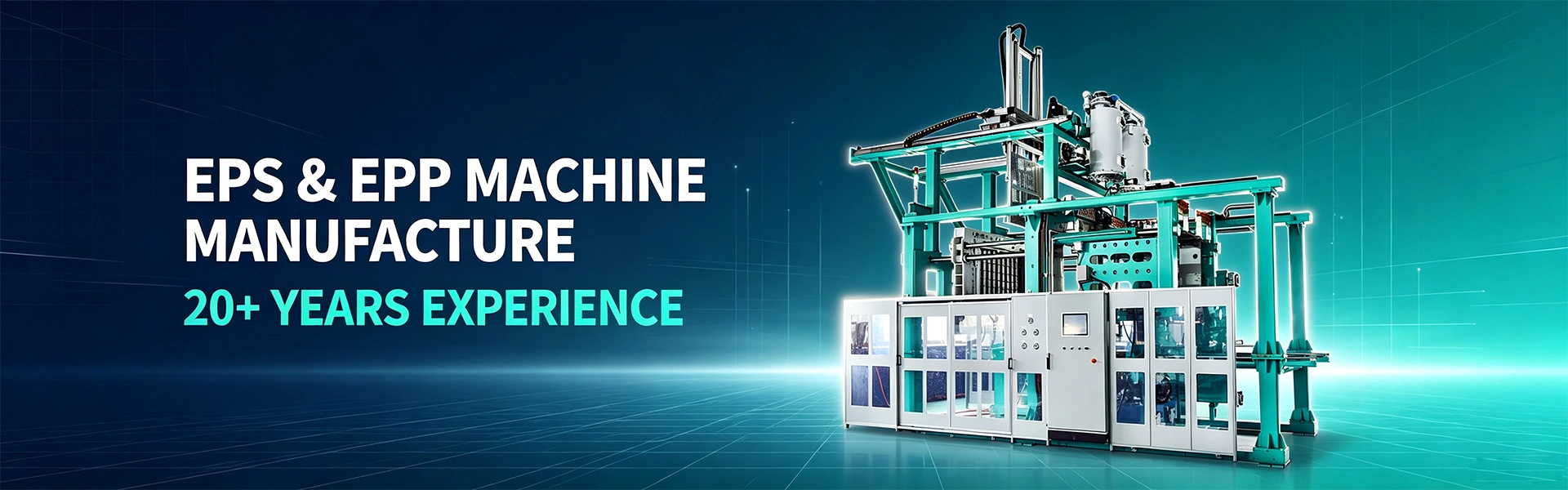


Hangzhou Epsole Machinery Co., Ltd. is one of the most reliable manufacturers and suppliers of sandwich panel machine in China. We warmly welcome you to buy high quality sandwich panel machine for sale here from our factory. Good service and reasonable price are available.

Fully Automatic EPS Sandwich Panel Production Line
The EPS sandwich panel production line is a fully automated continuous manufacturing system designed to produce high-quality insulated sandwich panels for roofing and wall applications. The core material (EPS – expanded polystyrene, rock wool, PU/PIR) is continuously fed between two outer metal skins (typically color-coated steel sheets), which are simultaneously roll-formed and bonded together using high-strength adhesive or polyurethane foaming technology.
| Equipment System | Components | Function Description |
|---|---|---|
| Steel Coil Uncoiling System | Dual-Station Hydraulic Uncoiler, Leveler, and Shear-Welder | Supports steel coils and automatically uncoils them; corrects steel strip flatness; performs butt welding of the leading and trailing coil ends to enable continuous production. |
| Roll Forming System | Roll Forming Machine (Multi-Roll), Hydraulic Punching/Cutting Unit | Flat steel sheets are roll-formed into the corrugated or trapezoidal cross-sectional shapes required for roofing or wall panels; the sheet width typically ranges from 900 to 1200 mm. |
| Core Material Feeding System | EPS / Rock Wool / PU / PIR Board Automatic Feeder | EPS or rock wool core materials can be fed to the production line either manually or automatically; PU and PIR cores are formed through a chemical foaming reaction, utilizing a two-component, high-pressure foaming machine for mixing and injection. |
| Adhesive Dispensing / Foaming System | Scraper Coater, Roller Coater (for EPS/Rock Wool), or High-Pressure Foaming Machine (for PU/PIR) | Apply the adhesive evenly to the inner surface of the steel plate, or inject PU/PIR raw materials between the steel plate and the core material using high-pressure mixing. |
| Double-Belt Laminator | Upper and Lower Chain-Plate Hot Press, Heating System, and Pressurizing System | The composite assembly-consisting of steel plates and core material-is subjected to heat and pressure to ensure thorough bonding between the core material and the steel plates; the length of the laminating machine typically ranges from 6 to 24 meters. |
| Edge Trimming and Cutting System | Slitting and Trimming Machine, Cross-cutting Circular Saw / Flying Saw | Trims the burrs from both edges of the sheet material, then automatically cross-cuts it to the length (3–18 m) specified by the PLC. |
| Automatic Stacking System | Flip-Plate Stacker, Roller Conveyor | Automatically palletizes finished boards, stacking them according to a preset number of layers. |
Key Technical Points
Roll Material
Constructed from GCr15 bearing steel or alloy steel, the rolls undergo a quenching treatment to achieve a hardness of HRC 58–62. This is complemented by a hard chrome plating, ensuring that the rolls remain free from deformation during prolonged, high-speed rolling operations.
01
Forming Passes
Typically comprising 18 to 24 sets of rolls, the system employs a progressive forming process to prevent surface scratching on the steel sheet and avoid stress concentration.
02
Servo Motor Drive
Each machine stand is driven synchronously by a servo motor, ensuring high-precision speed matching and minimizing deformation of the steel sheet.
03
Rapid Changeover
The machine stands feature a movable design, allowing for the entire roll assembly to be swapped out as a unit when changing product profiles; this significantly reduces the time required for model changeovers.
04
Why Choose Us
Comprehensive Technical Support
Providing complete turnkey line solutions for clients
01
Overseas Installation & Commissioning
Professional engineering team personally handles installation and commissioning
02
Global Delivery of Wear Parts
Year-round inventory of consumable spare parts
03
Qualifications & Certifications
ISO 9001:2015 Quality Management Certification and CE Certification
04
Settlement & Payment
Supports TT; FOB and CIF terms are available
05

Hot Tags: sandwich panel machine, China, manufacturers, suppliers, factory, price, vacuum, for sale, THE FIEST MOBILE EPS PLANT