

As a supplier of EPS Pre - expanders, I often receive inquiries about the air ventilation requirements for these machines. Understanding the proper air ventilation is crucial for the efficient and safe operation of an EPS Pre - expander. In this blog, I will delve into the details of what these requirements are and why they matter.
The Importance of Air Ventilation in an EPS Pre - expander
EPS (Expanded Polystyrene) Pre - expanders are used to expand raw EPS beads into larger, lighter beads. During this process, steam is used to heat and expand the beads. The steam needs to be removed effectively, and fresh air needs to be introduced to maintain the right environment inside the expander.
Proper air ventilation serves several important functions. Firstly, it helps in controlling the temperature inside the expander. If the temperature is too high, the EPS beads may over - expand or even melt, leading to poor - quality products. Ventilation allows for the removal of excess heat generated during the expansion process.
Secondly, ventilation is essential for removing moisture. The steam used in the expansion process leaves behind a significant amount of moisture. If this moisture is not removed, it can cause the EPS beads to clump together, affecting the quality and uniformity of the final product.
Finally, good air ventilation helps in maintaining a safe working environment. The expansion process can produce fumes and volatile organic compounds (VOCs). Adequate ventilation ensures that these harmful substances are removed from the workspace, protecting the health of the operators.
Air Ventilation Requirements
Airflow Rate
The airflow rate is a critical factor in the ventilation of an EPS Pre - expander. The rate should be sufficient to remove the steam and heat generated during the expansion process. A general rule of thumb is that the airflow rate should be able to exchange the air inside the expander at least 4 - 6 times per hour. However, this can vary depending on the size and capacity of the expander.
For smaller EPS Pre - expanders, an airflow rate of around 500 - 1000 cubic feet per minute (CFM) may be sufficient. Larger expanders may require airflow rates of 2000 CFM or more. It is important to consult the manufacturer's specifications to determine the exact airflow rate required for your specific expander.
Air Inlet and Outlet Design
The design of the air inlets and outlets is also crucial. The air inlets should be located in a way that allows fresh air to enter the expander evenly. They should be positioned at the bottom or sides of the expander to ensure proper air distribution.
The air outlets, on the other hand, should be located at the top of the expander. This is because hot air and steam rise, and having the outlets at the top allows for efficient removal of these substances. The outlets should be connected to a ventilation system that can effectively exhaust the air outside the building.
Filtration
Filtration is an important aspect of air ventilation. The incoming air should be filtered to remove dust, dirt, and other contaminants. This helps in preventing these particles from getting into the expander and affecting the quality of the EPS beads.
A high - efficiency particulate air (HEPA) filter is often recommended for EPS Pre - expanders. HEPA filters can remove up to 99.97% of particles as small as 0.3 microns. This ensures that the air entering the expander is clean and free of impurities.
Impact of Poor Air Ventilation
If the air ventilation requirements are not met, several problems can occur. As mentioned earlier, over - heating can lead to poor - quality EPS beads. The beads may be unevenly expanded, have a lower density, or even be damaged.
Moisture accumulation can also cause issues. Clumping of the EPS beads can lead to blockages in the expander, reducing its efficiency and increasing the risk of mechanical failures.
In addition, poor ventilation can pose a health risk to the operators. Exposure to fumes and VOCs can cause respiratory problems, headaches, and other health issues. It is therefore essential to ensure that the air ventilation system is properly designed and maintained.
Related Products and Their Significance
As an EPS Pre - expander supplier, we also offer related products that can enhance the overall performance of the EPS production process. For example, Eps Beads For Bean Bag Filling are a popular product. These beads are made from high - quality EPS and are perfect for filling bean bags. They are lightweight, comfortable, and durable.
Another important aspect is the Flame retardants material selection. Flame retardants are added to EPS beads to improve their fire resistance. Choosing the right flame retardant material is crucial for ensuring the safety of the final product.
We also provide Cnc Polystyrene Cutter. These cutters are used to shape the expanded EPS beads into various forms. They offer high precision and efficiency, making them an essential tool in the EPS production process.
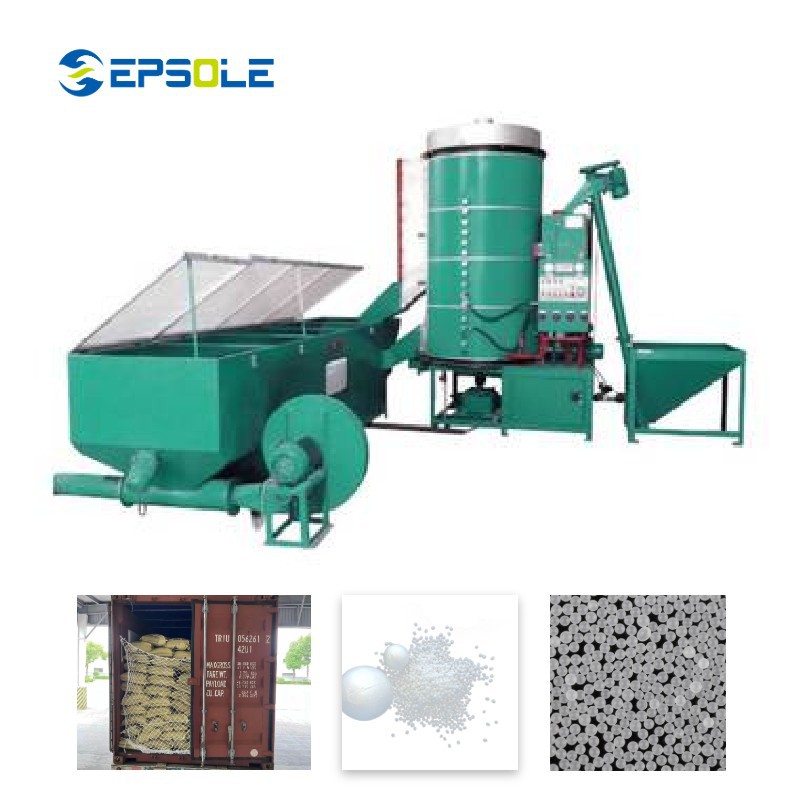
Conclusion
In conclusion, the air ventilation requirement for an EPS Pre - expander is a critical aspect of its operation. Proper ventilation ensures the quality of the EPS beads, the efficiency of the expander, and the safety of the operators. By understanding the airflow rate, air inlet and outlet design, and filtration requirements, you can ensure that your EPS Pre - expander operates at its best.
If you are interested in purchasing an EPS Pre - expander or any of our related products, we encourage you to contact us for a detailed discussion. Our team of experts is ready to assist you in finding the right solutions for your EPS production needs.