

Right off the bat, let me tell you a bit about myself. I'm a supplier of Ceiling Cornice Mixers, and I've seen firsthand how these machines can make a real difference in various construction and DIY projects. Today, I wanna dig deep into a really important question: What is the precision of a Ceiling Cornice Mixer in mixing ingredients?
First things first, let's talk about why precision matters when it comes to mixing ingredients for ceiling cornices. Ceiling cornices are those decorative moldings that add a touch of elegance to any room. To get the perfect finish, the ingredients in the cornice mix need to be blended just right. If the mixing isn't precise, you could end up with issues like uneven texture, poor adhesion, or even a complete failure of the cornice to hold its shape.
So, how does a ceiling cornice mixer achieve precision? Well, it all starts with the design of the machine. A good mixer will have specially designed blades or paddles that are optimized for the type of materials being mixed. These blades are engineered to move through the mixture in a way that ensures thorough blending without over - mixing, which can cause the ingredients to break down or lose their properties.
Let's take a look at the different types of ingredients typically used in ceiling cornice mixtures. There are usually binders, fillers, and additives. Binders are what hold the mixture together. Fillers give the cornice its bulk and density, and additives can enhance properties like flexibility, water resistance, or drying time. A precise mixer needs to be able to distribute these ingredients evenly throughout the mixture.
One of the key factors in achieving precision is the speed control of the mixer. Different ingredients require different mixing speeds. For example, some binders might need a slow, gentle mixing to prevent them from clumping, while fillers can handle a bit more agitation. A high - quality ceiling cornice mixer will allow you to adjust the speed according to the specific requirements of the mixture.
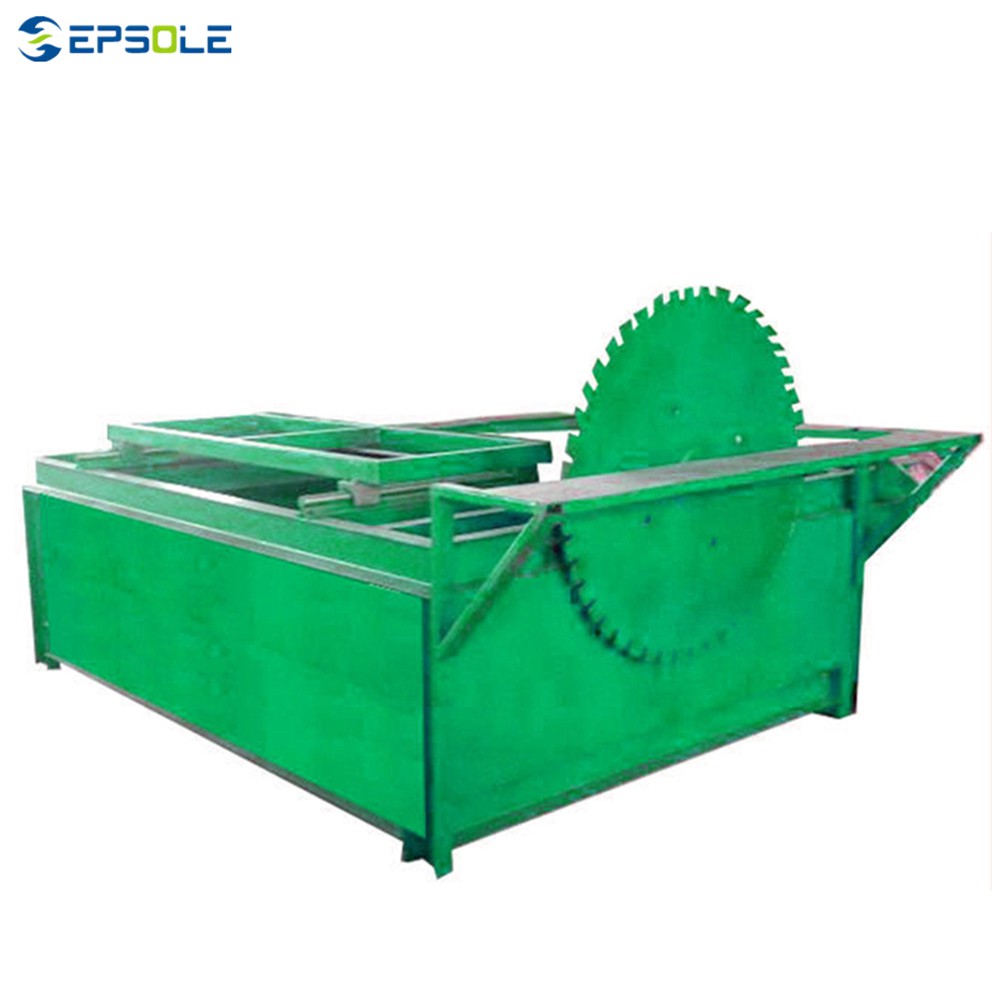
Another important aspect is the mixing time. Over - mixing can be just as bad as under - mixing. A precision mixer will have a timer or at least a clear indication of how long the mixing process should take. This ensures that all the ingredients are properly incorporated without being overworked.
Now, let's touch on some real - world applications. In a professional construction setting, precision is crucial. Builders and contractors rely on consistent, high - quality ceiling cornices to meet the standards of their clients. A mixer that can't deliver precise mixing can lead to delays, rework, and increased costs. On the other hand, in a DIY project, a precise mixer can make the difference between a beautiful, professional - looking cornice and a botched job.
If you're in the market for other related machinery, you might be interested in checking out the Continuous eps cutting machine. This machine is great for cutting expanded polystyrene for various construction applications. Also, Centerline Butterfly Valves can be useful in the overall operation of your construction machinery, providing reliable flow control. And for those looking into EPS foam molding, the EXpandable Polystyrene EPS Foam Molding Machine is a top - notch piece of equipment.
When you're evaluating the precision of a ceiling cornice mixer, it's also important to consider the quality of the materials used in its construction. A well - built mixer will be more durable and less likely to break down during the mixing process, which can disrupt the precision of the mixture. Stainless steel blades, for example, are not only long - lasting but also resistant to corrosion, which is important when dealing with wet mixtures.
The size of the mixer also plays a role in precision. If you're working on a small DIY project, a compact mixer might be more than sufficient. However, for large - scale commercial projects, you'll need a larger mixer that can handle big batches of material while still maintaining precision.
Maintenance is another factor that can impact the precision of a mixer. Regular cleaning and lubrication of the moving parts are essential to keep the mixer running smoothly and accurately. A neglected mixer is more likely to experience problems like uneven mixing or component failure.
In conclusion, the precision of a ceiling cornice mixer is of utmost importance for achieving high - quality results in both professional and DIY projects. It depends on factors like the design of the mixing blades, speed control, mixing time, quality of construction, and proper maintenance.
If you're interested in learning more about our Ceiling Cornice Mixers or have any questions regarding how they can meet your specific needs, don't hesitate to reach out. We're here to help you make the best choice for your projects and ensure that you get the most precise mixing performance possible.