

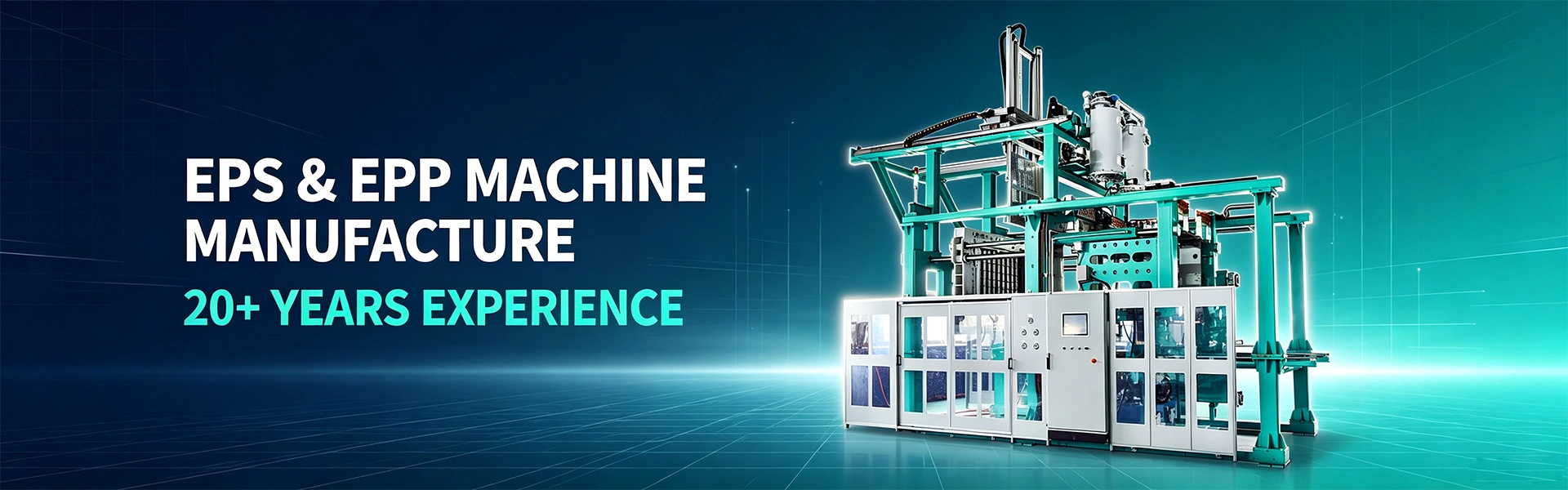
Among the many packaging materials available today, Expanded Polystyrene (EPS) foam remains one of the most versatile solutions.
From insulated fish boxes used in the seafood industry to precision protective inserts designed for electronics, EPS packaging provides excellent protection, thermal insulation, shock absorption, and customization possibilities.
For companies looking for reliable packaging solutions, understanding the advantages and applications of EPS foam is essential.
What Is EPS Packaging?
EPS stands for Expanded Polystyrene, a lightweight cellular foam material made from polystyrene beads that are expanded and molded into different shapes.
During manufacturing, small polystyrene particles are expanded using steam. The expanded beads contain millions of tiny air cells, creating a lightweight structure with excellent insulation and cushioning properties.
EPS foam packaging is commonly used for:
Seafood boxes
Food transportation containers
Medical packaging
Electronics protection
Industrial component packaging
Temperature-sensitive products
The unique structure of EPS allows it to provide multiple functions at the same time:
Impact protection
Thermal insulation
Moisture resistance
Lightweight performance
Cost efficiency
Why EPS Foam Is Popular for Packaging Applications
Companies across different industries choose EPS packaging because it offers an excellent balance between performance and affordability.
1. Lightweight Yet Strong
One of the biggest advantages of EPS foam is its lightweight structure.
Although EPS weighs very little, it provides strong protective performance.
This helps businesses reduce:
Shipping costs
Transportation weight
Handling difficulties
For industries that ship large volumes of products, lightweight packaging can significantly improve logistics efficiency.
2. Excellent Thermal Insulation Performance
EPS foam contains millions of trapped air cells, which provide natural insulation.
This makes EPS ideal for temperature-sensitive products.
Common applications include:
Seafood transportation
Frozen food packaging
Pharmaceutical shipping
Medical products
Temperature-controlled logistics
EPS insulated boxes help maintain product temperatures during transportation, reducing the risk of spoilage.
3. Superior Shock Absorption
Products often experience impacts during:
Transportation
Loading and unloading
Warehouse handling
EPS foam packaging absorbs external forces and reduces the risk of product damage.
This makes EPS suitable for protecting:
Electronic devices
Precision equipment
Industrial components
Fragile products
4. Custom Design Flexibility
Different products require different packaging structures.
EPS foam can be molded into customized shapes according to product requirements.
Custom EPS packaging can include:
Product-specific cavities
Protective corners
Internal supports
Multi-layer structures
This allows manufacturers to create packaging that fits products perfectly.
EPS Fish Boxes: A Classic Application of Insulated Packaging
One of the most recognized applications of EPS packaging is in the seafood industry.
Fresh fish and seafood require strict temperature control from harvesting to final delivery.
EPS fish boxes provide an effective solution because they offer:
Excellent insulation
Lightweight transportation
Moisture resistance
Hygienic protection
Why Are EPS Boxes Used for Fish Transportation?
Seafood products are highly sensitive to temperature changes.
Without proper insulation, seafood quality can quickly decline.
EPS fish boxes help:
Maintain cold temperatures
Reduce ice melting speed
Protect seafood during transport
Extend product freshness
For seafood suppliers, exporters, and distributors, EPS insulated containers are an essential part of the cold chain.
EPS Packaging for Electronics and Sensitive Equipment
While EPS is widely known for food packaging, it is also widely used in electronics protection.
Modern electronic products often require packaging that can prevent:
Shock damage
Scratches
Vibration damage
Transportation risks
EPS foam provides reliable protection for:
Consumer electronics
Industrial equipment
Electrical components
Appliances
Precision instruments
Advantages of EPS Electronics Packaging
Impact Protection
Electronic products often contain fragile internal components.
EPS packaging absorbs impact forces and reduces damage during shipping.
Lightweight Shipping
Electronics companies often ship globally.
Reducing packaging weight helps lower:
Freight costs
Transportation emissions
Handling expenses
Product-Specific Designs
Custom EPS inserts can be molded to match exact product dimensions.
Examples include:
Computer component packaging
Appliance inserts
Display protection
Industrial equipment packaging
EPS Packaging Applications Across Different Industries
The versatility of EPS foam allows it to serve many industries.
1. Food and Beverage Industry
EPS packaging is widely used for:
Seafood boxes
Meat transportation
Fresh produce containers
Frozen food packaging
Benefits:
Temperature control
Food protection
Lightweight handling
2. Medical and Pharmaceutical Industry
Temperature-sensitive medical products require reliable packaging.
EPS solutions are used for:
Vaccine transportation
Laboratory samples
Medical supplies
Advantages include:
Thermal stability
Lightweight structure
Protection during shipping
3. Electronics Industry
EPS protects valuable electronic products from transportation damage.
Applications include:
Consumer electronics
Industrial equipment
Electrical components
4. Automotive Industry
Automotive manufacturers use EPS packaging for transporting:
Engine components
Interior parts
Precision automotive parts
EPS helps prevent scratches, impacts, and handling damage.
5. Industrial Equipment
Large industrial components often require customized protective packaging.
EPS foam can be designed for:
Heavy equipment parts
Machinery components
Engineering products
EPS Packaging vs Other Packaging Materials
Different packaging materials have different advantages.
Understanding these differences helps companies choose the right solution.
EPS vs EPP Packaging
Both EPS and EPP are expanded polymer foams, but they serve different purposes.
EPS Advantages:
Lower cost
Excellent insulation
Lightweight
Good cushioning
Common applications:
Fish boxes
Food containers
Disposable protective packaging
EPP Advantages:
Higher durability
Better impact recovery
Reusable performance
Common applications:
Automotive components
Returnable packaging
Industrial applications
EPS vs Cardboard Packaging
Cardboard is widely used because of its availability and recyclability.
However, EPS provides advantages in:
Moisture resistance
Thermal insulation
Shock protection
For temperature-sensitive or fragile products, EPS often provides better protection.
EPS vs PU Foam Packaging
Polyurethane foam offers excellent cushioning performance.
However, EPS has advantages in:
Cost efficiency
Thermal insulation
Lightweight design
Large-volume production
Custom EPS Packaging Manufacturing Process
Producing high-quality EPS packaging requires precision manufacturing.
The typical process includes:
Step 1: Product Analysis
Engineers evaluate:
Product dimensions
Weight
Fragility
Shipping environment
Step 2: Mold Design
Custom molds are developed according to product requirements.
The mold determines:
Packaging shape
Internal structure
Protection level
Step 3: EPS Foam Molding
Expanded polystyrene beads are placed into molds.
Steam heating causes the beads to expand and fuse together.
The final product becomes a customized EPS packaging component.
Step 4: Quality Inspection
Manufacturers check:
Dimensions
Density
Strength
Surface quality
Thermal performance
How to Choose the Right EPS Packaging Manufacturer
Selecting the right supplier is important for companies that depend on packaging performance.
A professional EPS foam manufacturer should provide:
Custom Design Capability
The supplier should support:
Prototype development
Packaging optimization
Custom mold design
Manufacturing Experience
Experienced manufacturers understand different industry requirements.
They can provide solutions for:
Food packaging
Electronics protection
Industrial applications
Quality Control
Reliable EPS packaging suppliers maintain consistent production standards.
Important quality factors include:
Material consistency
Dimensional accuracy
Production reliability
Sustainability and the Future of EPS Packaging
Environmental concerns are influencing packaging development worldwide.
Modern EPS manufacturers are focusing on:
Recycling programs
Material recovery
Reduced material usage
Improved production efficiency
EPS is recyclable when properly collected and processed.
Many industries are exploring ways to improve the sustainability of EPS packaging while maintaining its protective advantages.
Why Businesses Continue Choosing EPS Packaging Solutions
The continued popularity of EPS packaging comes from its unique combination of benefits:
Cost Efficiency
EPS provides excellent performance at a competitive cost.
Lightweight Transportation
Lower weight reduces logistics expenses.
Reliable Protection
EPS protects products from:
Impact
Temperature changes
Moisture
Flexible Customization
Custom EPS designs meet different product requirements.
Conclusion: The Versatility of EPS Packaging Solutions
From fish boxes protecting fresh seafood to precision inserts safeguarding electronic equipment, EPS packaging solutions demonstrate remarkable versatility across industries.
Its lightweight structure, thermal insulation properties, shock absorption capability, and customization flexibility make EPS one of the most practical packaging materials available today.
As global supply chains continue to demand safer, more efficient, and cost-effective packaging solutions, EPS foam will remain an important material for food, electronics, medical, automotive, and industrial applications.
For businesses seeking reliable custom EPS packaging solutions, partnering with an experienced EPS foam manufacturer can provide optimized designs, consistent quality, and better protection for valuable products.