

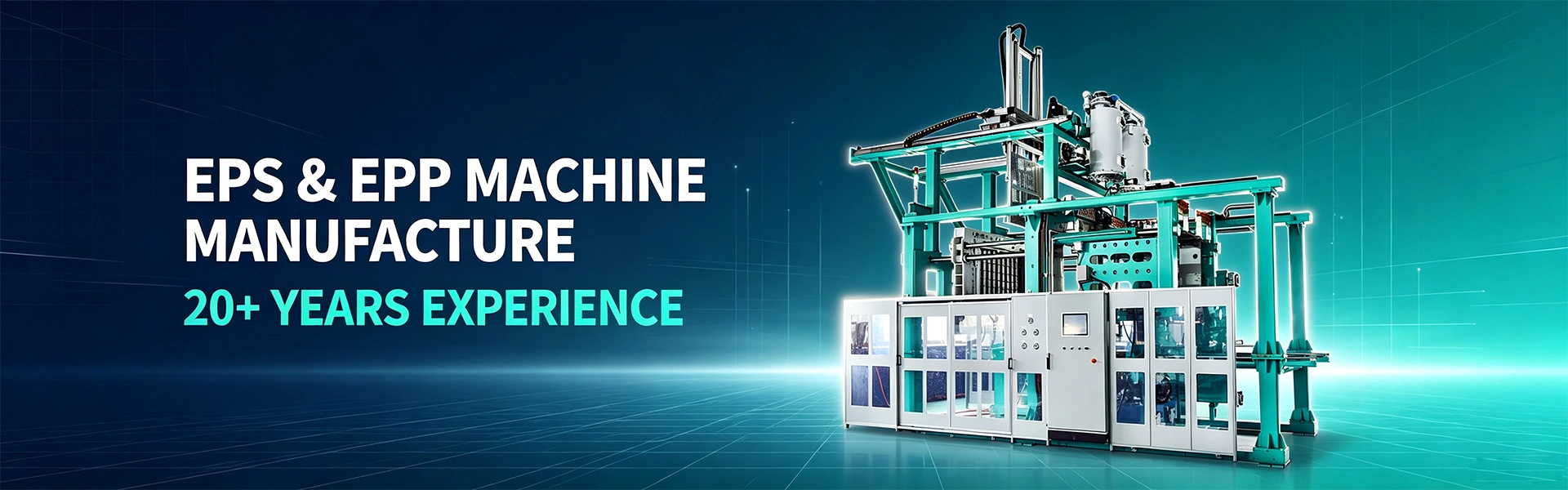
However, like any industrial machine, an EPS cutting machine is subject to wear, contamination, and performance degradation over time. Without proper maintenance, even the most advanced equipment can experience problems such as inaccurate cutting, increased material waste, unexpected downtime, and expensive repairs.
A well-designed EPS cutting machine maintenance program can significantly extend equipment lifespan, improve cutting accuracy, reduce operating costs, and ensure stable production performance.
Understanding the Importance of EPS Cutting Machine Maintenance
An EPS cutting machine is a precision manufacturing system that combines mechanical movement, electrical control, heating elements, and cutting technologies. Depending on the application, EPS cutting equipment may use:
Hot wire cutting technology
CNC-controlled cutting systems
Automatic foam profiling systems
Multi-axis cutting mechanisms
Each component works together to achieve accurate foam shaping. If one part begins to deteriorate, the entire production process can be affected.
Regular maintenance helps manufacturers:
Improve Cutting Accuracy
Precision is critical in EPS processing. A poorly maintained cutting wire, motor, or control system can cause:
Uneven cutting surfaces
Incorrect dimensions
Product rejection
Reduce Machine Downtime
Unexpected failures interrupt production schedules and increase operating costs. Preventive maintenance identifies potential problems before they become major failures.
Extend Equipment Lifespan
Proper lubrication, cleaning, and inspection reduce component wear and protect expensive machine parts.
Maintain Energy Efficiency
A well-maintained EPS cutting machine operates more efficiently, reducing unnecessary electricity consumption.
Daily Maintenance Checklist for EPS Cutting Machines
Daily inspections are the foundation of effective equipment maintenance. Operators should perform basic checks before and after every production shift.
Clean the Cutting Area
EPS foam generates dust and small particles during cutting. Over time, these particles can accumulate on:
Cutting rails
Motors
Sensors
Electrical cabinets
Excessive dust may interfere with machine operation and reduce component lifespan.
Daily cleaning should include:
Removing EPS debris from the working area
Cleaning guide rails
Checking ventilation openings
Removing dust from control panels
A clean working environment helps prevent overheating and mechanical failures.
Check Cutting Wire Condition
For hot wire EPS cutting machines, the cutting wire is one of the most important components.
Operators should inspect:
Wire tension
Wire straightness
Surface oxidation
Cutting temperature consistency
A damaged or loose cutting wire may result in:
Rough cutting surfaces
Inconsistent thickness
Slow cutting speed
Replacing worn cutting wires at the right time ensures stable production quality.
Inspect Machine Movement
EPS cutting machines rely on precise mechanical movement. Before operation, check:
Guide rail movement
Motor response
Axis positioning accuracy
Abnormal vibration or noise
Any unusual sound or movement should be investigated immediately.
Small mechanical problems can quickly develop into expensive repairs if ignored.
Weekly Maintenance Tasks
Weekly maintenance focuses on deeper inspections and performance optimization.
Lubricate Moving Components
Moving parts experience continuous friction during operation. Proper lubrication reduces wear and improves motion accuracy.
Important lubrication points include:
Linear guides
Bearings
Transmission systems
Ball screws
Use only manufacturer-approved lubricants to avoid contamination or damage.
Over-lubrication should also be avoided because excess oil can attract dust and foam particles.
Inspect Electrical Connections
EPS cutting machines depend on stable electrical systems. Loose connections may cause:
Machine shutdowns
Controller errors
Safety issues
Weekly electrical inspections should include:
Checking wiring connections
Inspecting power cables
Cleaning electrical cabinets
Confirming cooling fan operation
Always disconnect power before performing electrical maintenance.
Check Temperature Control System
For hot wire cutting equipment, temperature control directly affects cutting performance.
Inspect:
Heating controller accuracy
Temperature sensors
Power supply stability
Wire heating response
Incorrect temperature settings can cause:
Foam melting problems
Excessive smoke
Poor cutting quality
Monthly EPS Cutting Machine Maintenance Checklist
Monthly maintenance involves more detailed inspections to ensure long-term reliability.
Calibration of Cutting Accuracy
Precision cutting requires regular calibration.
Check:
Machine origin position
Axis alignment
Cutting dimensions
Software parameters
Calibration ensures that the machine continues producing accurate foam components.
For CNC EPS cutting machines, software calibration is especially important because small positioning errors can affect complex designs.
Inspect Motors and Drive Systems
Motors are critical components responsible for machine movement.
Monthly inspection should include:
Checking motor temperature
Listening for abnormal noise
Inspecting drive belts
Checking coupling conditions
Signs of motor problems include:
Reduced cutting speed
Positioning errors
Excessive vibration
Early detection prevents major equipment failure.
Check Safety Systems
Safety components must always remain functional.
Inspect:
Emergency stop buttons
Safety switches
Protective covers
Alarm systems
A reliable safety system protects both operators and equipment.
Advanced Maintenance: Every 3–6 Months
For factories operating EPS cutting machines continuously, quarterly or semi-annual maintenance is recommended.
Replace Wear Parts
Common replacement parts include:
Cutting wires
Bearings
Belts
Filters
Sensors
Replacing worn components before failure reduces unexpected downtime.
Software and Control System Updates
Modern EPS cutting machines often use advanced CNC and PLC control systems.
Maintenance should include:
Checking software performance
Backing up machine parameters
Updating control programs when required
Keeping software optimized improves machine reliability and production efficiency.
Professional Equipment Inspection
Manufacturers should schedule professional inspections to evaluate:
Mechanical accuracy
Electrical performance
Cutting system efficiency
Overall machine condition
Professional maintenance helps identify issues that may not be visible during daily operation.
Best Practices to Maximize EPS Cutting Machine Lifespan
Beyond routine maintenance, manufacturers should implement several best practices.
Train Operators Properly
Operator skills directly affect machine lifespan.
Training should include:
Correct startup procedures
Proper machine operation
Daily inspection routines
Emergency response procedures
Well-trained operators can identify problems early and avoid improper use.
Keep Operating Records
Maintenance records help manufacturers track equipment performance.
Important information includes:
Maintenance dates
Replaced components
Machine problems
Production hours
These records help create more effective preventive maintenance schedules.
Use Original Replacement Parts
Using low-quality replacement parts may reduce machine performance and shorten equipment lifespan.
Original components ensure:
Better compatibility
Stable performance
Longer service life
Maintain a Suitable Working Environment
The production environment affects machine durability.
Recommended conditions include:
Low dust levels
Stable temperature
Proper ventilation
Clean electrical areas
A controlled environment reduces contamination and mechanical wear.
The Role of Machine Design in Long-Term Maintenance
Maintenance requirements are also influenced by machine quality. Advanced EPS cutting machines are designed with:
Strong mechanical structures
Reliable electrical systems
Easy-access maintenance points
Intelligent monitoring functions
Manufacturers such as Epsole EPS machine focus on providing durable EPS and foam processing equipment designed for long-term industrial operation.
A machine with excellent design requires less maintenance and delivers more stable performance throughout its service life.
Conclusion
An EPS cutting machine represents a significant investment for foam manufacturers. Protecting that investment requires more than occasional repairs-it requires a structured maintenance strategy.
By following a comprehensive maintenance checklist, manufacturers can achieve:
Longer machine lifespan
Higher cutting accuracy
Reduced production downtime
Lower operating costs
Improved product quality
Daily cleaning, regular inspections, timely replacement of wear parts, and professional servicing all contribute to reliable machine performance.
In the competitive foam manufacturing industry, a well-maintained EPS cutting machine is not only a production tool-it is a long-term asset that supports efficiency, profitability, and business growth.