

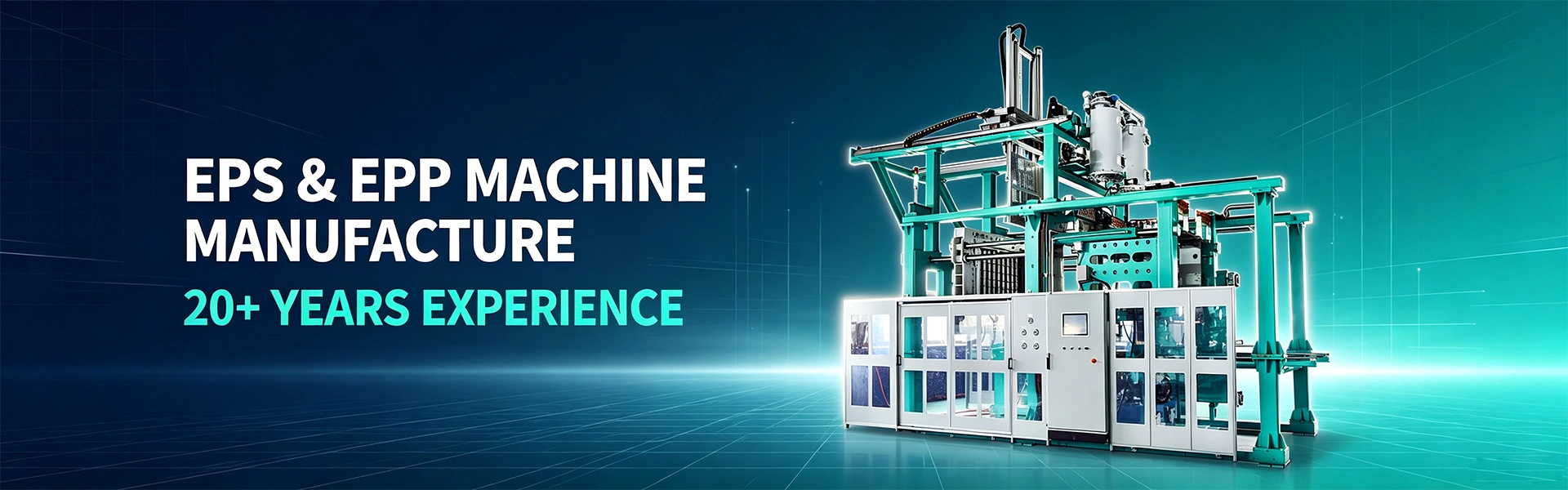
However, choosing the right EPS shape moulding machine is not simply about comparing prices. For wholesalers, factory owners, and industrial buyers, selecting the wrong machine can lead to high operating costs, unstable product quality, excessive maintenance, and lower production output.
So how do you choose the right EPS shape moulding machine for your business?
In this article, we will explore the 7 most important factors every buyer should consider before purchasing an EPS shape moulding machine, especially for B2B manufacturing and industrial-scale production.
What Is an EPS Shape Moulding Machine?
An EPS shape moulding machine is used to produce customized expanded polystyrene foam products by injecting steam into pre-expanded EPS beads inside a mould cavity. These machines are widely used for manufacturing:
EPS packaging products
Fish boxes
Appliance protective packaging
Thermal insulation components
Decorative mouldings
EPS construction blocks
Industrial cushioning products
The quality and efficiency of the machine directly affect:
Product density consistency
Surface finish
Production speed
Energy consumption
Labor requirements
Long-term operational costs
For industrial buyers, choosing the right machine is a strategic investment rather than just equipment procurement.
1. Production Capacity and Machine Size
One of the first factors buyers should evaluate is production capacity.
Different factories have different production requirements. A small packaging factory may only need medium-output machinery, while large-scale EPS manufacturers often require fully automated high-capacity systems.
Questions Buyers Should Ask
How many moulding cycles can the machine complete per hour?
What is the maximum mould size?
Can the machine support large-volume production?
Is the machine suitable for 24-hour continuous operation?
Why It Matters
If the machine capacity is too small:
Production bottlenecks occur
Delivery times increase
Labor costs rise
If the machine is oversized:
Initial investment becomes unnecessarily high
Steam and electricity consumption increase
Space utilization becomes inefficient
Professional Recommendation
Industrial buyers should estimate:
Current production demand
Future expansion plans
Seasonal production peaks
Product diversification needs
A scalable EPS shape moulding machine is often the best long-term solution for growing manufacturers.
2. Steam System Efficiency
Steam is the core energy source in EPS moulding production. The efficiency of the steam system significantly affects product quality and operating costs.
Poor steam distribution can cause:
Uneven density
Incomplete mould filling
Longer cycle times
Increased energy waste
Key Steam System Features
Look for machines with:
Optimized steam chamber design
Fast steam penetration
Balanced pressure control
Automatic temperature regulation
Energy-saving steam valves
Why Energy Efficiency Is Critical
Energy costs are one of the biggest long-term expenses in EPS production facilities.
An energy-efficient machine can:
Reduce steam consumption
Lower production costs
Improve moulding consistency
Increase daily output
For wholesalers and factory owners, lower energy consumption directly improves profit margins.
3. Automation Level
Automation has become one of the most important considerations in modern EPS manufacturing.
Today's advanced EPS shape moulding machines often include:
PLC control systems
Touchscreen operation
Automatic feeding systems
Automatic cooling
Automatic vacuum systems
Intelligent fault diagnosis
Benefits of Automation
Reduced Labor Costs
Automated machines require fewer operators and reduce human error.
Faster Production
Automation shortens moulding cycles and increases production efficiency.
Stable Product Quality
Precise parameter control ensures consistent foam density and dimensions.
Easier Operation
Touchscreen interfaces simplify training and daily operation.
What Buyers Should Look For
Industrial buyers should prioritize:
Siemens or Schneider electrical components
User-friendly control systems
Multi-language operation interfaces
Remote troubleshooting capability
Production data monitoring
High automation is especially important for large-scale factories exporting EPS products internationally.
4. Machine Structure and Build Quality
The durability of an EPS shape moulding machine determines its long-term operational stability.
Cheaply manufactured machines often suffer from:
Frame deformation
Steam leakage
Corrosion
Frequent downtime
Short service life
Important Structural Factors
Steel Frame Thickness
A stronger frame ensures machine stability during high-pressure moulding.
Welding Quality
Professional welding improves durability and reduces maintenance issues.
Surface Treatment
Rust-resistant coatings help protect the machine in humid factory environments.
Hydraulic System Quality
Reliable hydraulic systems improve mould opening precision and machine lifespan.
Why Industrial Buyers Focus on Build Quality
B2B buyers usually expect:
Continuous operation
Long equipment lifespan
Low maintenance frequency
Reliable performance over many years
A high-quality EPS moulding machine may cost more initially, but it significantly reduces long-term maintenance expenses.
5. Compatibility With Different EPS Products
Many manufacturers produce various EPS products using different moulds and densities.
A flexible EPS shape moulding machine allows factories to:
Produce multiple product types
Quickly change moulds
Adapt to customer demands
Expand into new markets
Products Commonly Manufactured
EPS fish boxes
Electronic packaging
Fruit boxes
Insulation panels
Corner protectors
Decorative foam products
Industrial packaging
Features That Improve Flexibility
Look for machines with:
Fast mould change systems
Adjustable pressure settings
Multi-density capability
Large mould compatibility
Vacuum-assisted moulding systems
Why Flexibility Matters
Global markets change rapidly. Buyers increasingly demand customized EPS packaging and insulation products.
A versatile machine helps manufacturers remain competitive and respond to changing customer requirements quickly.
6. Maintenance and After-Sales Support
Many buyers focus only on machine specifications and overlook after-sales support. This is a major mistake.
Even the best EPS shape moulding machine requires:
Routine maintenance
Spare parts replacement
Technical support
Operator training
What Buyers Should Evaluate
Spare Parts Availability
Can the supplier provide parts quickly?
Technical Support
Does the supplier offer remote assistance?
Installation Services
Can engineers assist with installation and commissioning?
Training Programs
Does the supplier provide operator training?
Warranty Policy
What components are covered?
Why Reliable Support Is Essential
Production downtime can cause:
Delayed deliveries
Lost customers
Financial losses
For overseas buyers, fast technical support is especially critical.
Professional EPS machinery manufacturers should provide:
Online troubleshooting
Video technical guidance
International service capability
Fast spare parts delivery
Strong after-sales service often separates reliable suppliers from low-cost competitors.
7. Total Investment Cost Instead of Initial Price
Many buyers choose machines based only on the lowest price. However, the cheapest machine is not always the most economical solution.
Industrial buyers should evaluate the total cost of ownership (TCO).
Hidden Costs Buyers Often Ignore
High Energy Consumption
Low-quality machines usually consume more steam and electricity.
Frequent Maintenance
Cheap components lead to higher repair costs.
Production Inefficiency
Longer moulding cycles reduce daily output.
Product Defects
Poor moulding quality increases waste rates.
Short Machine Lifespan
Low-quality equipment may require replacement much sooner.
How to Calculate Real Machine Value
A better EPS shape moulding machine should provide:
Higher production efficiency
Lower defect rates
Lower energy costs
Reduced labor expenses
Long-term reliability
In many cases, a higher-quality machine generates a faster return on investment despite a higher initial purchase price.
Additional Tips for Choosing an EPS Shape Moulding Machine
Choose an Experienced Manufacturer
Look for manufacturers with:
Years of EPS machinery production experience
Export experience
International certifications
Successful customer cases
Request Factory Videos and References
Professional suppliers should be able to provide:
Production videos
Customer feedback
Machine testing videos
Factory inspection opportunities
Verify Electrical Component Brands
Reliable brands improve machine stability and reduce maintenance risks.
Evaluate Energy-Saving Technologies
Modern energy-saving designs can significantly reduce operating costs over time.
Common Mistakes Buyers Should Avoid
Buying Only Based on Price
Low-cost machines often create expensive long-term problems.
Ignoring Energy Consumption
High steam usage greatly increases operational costs.
Overlooking Automation
Manual operation reduces efficiency and increases labor costs.
Choosing Inexperienced Suppliers
Lack of technical support can cause major production issues.
Underestimating Future Expansion
Factories often outgrow low-capacity machines quickly.
Why EPS Shape Moulding Machines Are Important for Modern Manufacturing
EPS foam products are widely used because they offer:
Lightweight protection
Excellent insulation
Shock absorption
Cost-effective packaging
Recyclability
As industries continue to demand protective and thermal packaging solutions, EPS manufacturing remains a growing global market.
High-quality EPS shape moulding machines help manufacturers:
Increase productivity
Improve product consistency
Reduce operating costs
Expand business opportunities
For B2B manufacturers and wholesalers, choosing the right equipment is critical for long-term competitiveness.
Conclusion
Choosing the right EPS shape moulding machine requires careful evaluation of multiple factors beyond price alone.
The most important considerations include:
Production capacity
Steam system efficiency
Automation level
Machine build quality
Product flexibility
After-sales support
Total investment cost
For industrial buyers, the goal should be long-term production efficiency, stable product quality, and sustainable profitability.
A reliable EPS shape moulding machine not only improves manufacturing performance but also strengthens a company's ability to compete in global markets.
Before making a final purchase decision, buyers should carefully compare suppliers, inspect machine quality, evaluate technical support, and consider future production needs.
If you have any needs, you are also welcome to visit Epsole to purchase machinery!