

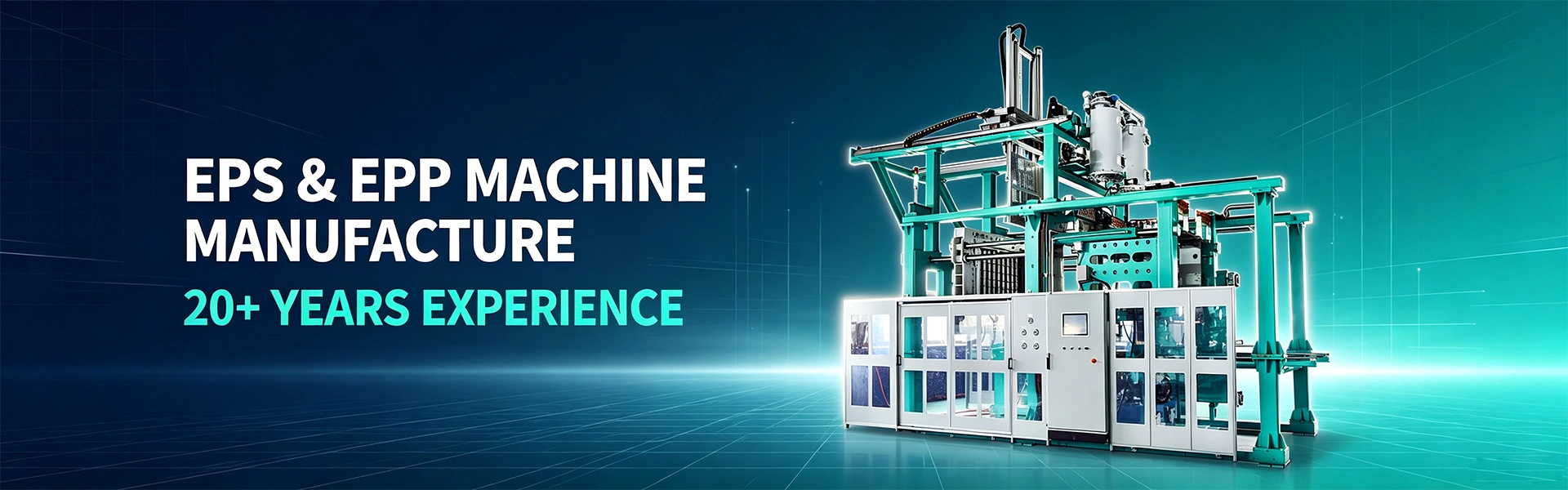
EPS foam is an excellent thermal insulation material, which is widely used in construction, transportation, metallurgy, electronics, chemical industry and other fields. EPS foam has good thermal insulation performance, which can effectively prevent heat loss and achieve the purpose of energy saving and emission reduction.
The principle of EPS foam insulation is that air is a good thermal insulation material, and EPS foam contains a large number of closed-cell bubbles, which makes it have good thermal insulation performance. At the same time, the density of EPS foam is very small, and it can hold more gas under the same volume, thereby improving the heat preservation effect.

The insulating properties of EPS foam are affected by its thickness and density. As the thickness of the EPS foam increases, so does the insulation performance. However, it should be noted that within a limited thickness range, the thermal insulation performance does not increase linearly. Under the same thickness, the smaller the density of EPS foam, the better the thermal insulation performance. However, too low density will also reduce the strength of EPS foam, which is not conducive to use and construction.
In addition to excellent thermal insulation properties, EPS foam has many advantages. First of all, its material is light and light, easy to transport and install; secondly, EPS foam material is not easy to generate static electricity, and has good safety performance; thirdly, EPS foam can effectively insulate sound and has good waterproof performance.
In conclusion, EPS foam as an excellent thermal insulation material has high thermal insulation performance and many other advantages. Widely used in construction, transportation and other fields, it can not only improve the thermal insulation performance of buildings and facilities, but also achieve the purpose of energy saving and emission reduction.