

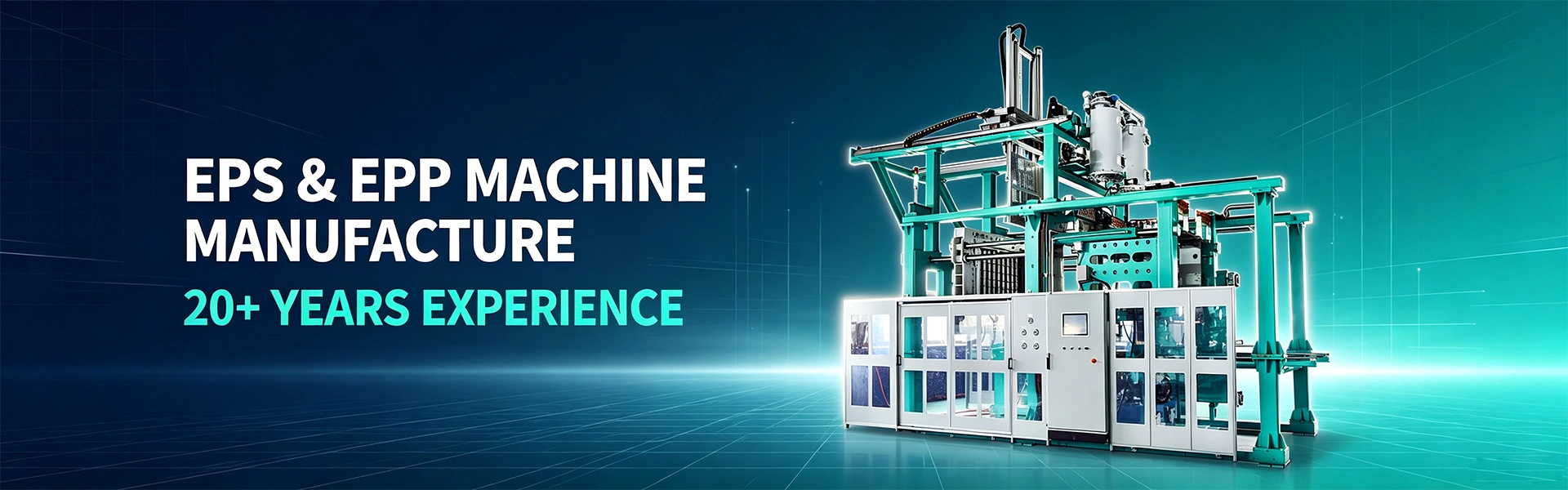
EPS, also known as expanded polystyrene, is a lightweight, durable and versatile material with a wide range of applications in various industries. It is produced by expanding polystyrene beads with steam and fusing them together.
Here are some of the key characteristics and applications of EPS:
Characteristics:
- Lightweight: EPS foam is lightweight, which makes it easy to handle, transport and use.
- Insulation: EPS has good insulation properties, making it an ideal material for thermal insulation.
- Durable: EPS is a strong and durable material that can withstand heavy loads and impact.
- Moisture resistance: EPS is a waterproof material that can resist moisture and prevent seepage.
- Chemical resistance: EPS is resistant to many chemicals, making it suitable for use in harsh environments.
- Easy to shape: EPS can be easily cut and shaped into different forms and sizes.
Applications:
- Packaging: EPS is commonly used in packaging materials, such as food containers, boxes, and protective packaging for delicate items.
- Construction: EPS is widely used in construction for insulation, concrete forms, lightweight fill, and decorative moldings.
- Marine: EPS is used in the marine industry for flotation devices, buoys, and other watercraft.
- Automotive: EPS is used in the automotive industry for interior parts, such as headliners and door panels.
- Art and sculpture: EPS is often used by artists and sculptors for creating sculptures and displays.
EPS is an affordable and efficient material that offers many benefits to various industries. Its lightweight, durable and versatile properties make it a popular choice for a wide range of applications.