

The molding processes of thermoplastic foam materials mainly include compression molding, expandable bead molding, continuous extrusion foam molding, and injection foam molding.
1. Molded foam
Compression molding is an earlier type of foaming process, so there is no standardized abbreviated name for compression foaming. Until the emergence of polypropylene molded foam material in recent years, it was named "M" and defined as "MPP".
The compression foaming method controls the decomposition speed of the foaming agent under pressure, and also increases the gas solubility in the molten resin. It is also easy to control the degree of cross-linking under pressure, so that PP with high foaming and uniform fine bubbles can be obtained. Styrofoam.
2. Molding process of expandable beads
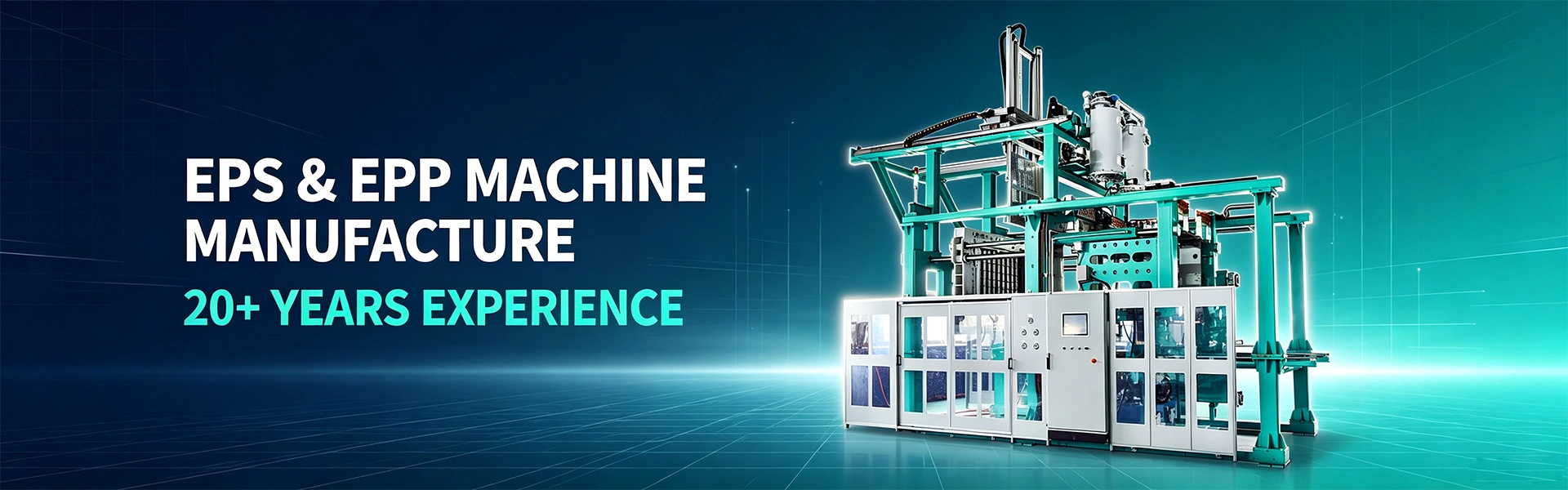
The second type of foaming process is called expandable bead molding process, that is, in an autoclave, the physical foaming agent is dipped into the fine particles of the matrix resin at a predetermined temperature by high pressure within a certain time. Then, the temperature of the system was cooled to room temperature to obtain expandable beads. When in use, first expand the expandable beads with water vapor or hot air at a certain foaming temperature to obtain pre-expandable expandable beads with the size of mung bean. When preparing the product, the pre-expanded expandable beads are placed in a mold to heat and decompress, so that the pre-expanded expandable plastic beads are further expanded and fused to form a foam material in a predetermined shape, that is, Called expandable bead molding, it is usually preceded by an "E" before the abbreviated name of the substrate. For example, the earliest and most common PS expandable bead foaming material is called "EPS"; PP expandable bead developed in recent years is called "EPP". Because the physical foaming agent is used, the expansion ratio is large.
3. Extrusion foam
The third type of foaming process is called extrusion foaming, that is, plastic and physical or chemical foaming agents are added to different positions of the extruder, and melted in the extruder under high pressure to form a uniform solution, and then suddenly at the die Relieve pressure, foam, cool, and make into plates, sheets and even pipes. This type of foamed material is usually preceded by an "X" before the abbreviated name of the substrate. For example, the more common extruded foamed PS is called "XPS"; the extruded foamed low density polyethylene (LDPE) is called "XPE"; the less common extruded foamed PP is called " XPP ".
In the extrusion foaming process, the foaming agent must form a uniform solution with the plastic under high pressure conditions, and the pressure, foam, cooling, and foaming material are instantly released at the die. Binding force, so the melt strength of plastics is very high. It is particularly necessary that the melt has strong strain hardening performance during the stretching process, so the foaming is difficult.
4. Injection foam
Injection foam material is a relatively late one. Mainly because of the contradiction between the traditional injection molding process and the necessary conditions for foaming, the front of the foam material may be indicated by a "J". Today's injection foam materials are limited to products with very low expansion ratios, and even foaming is not the main purpose, but only to reduce the shrinkage and deformation of injection molded products, especially in the injection molding of large products such as trays and brackets .