

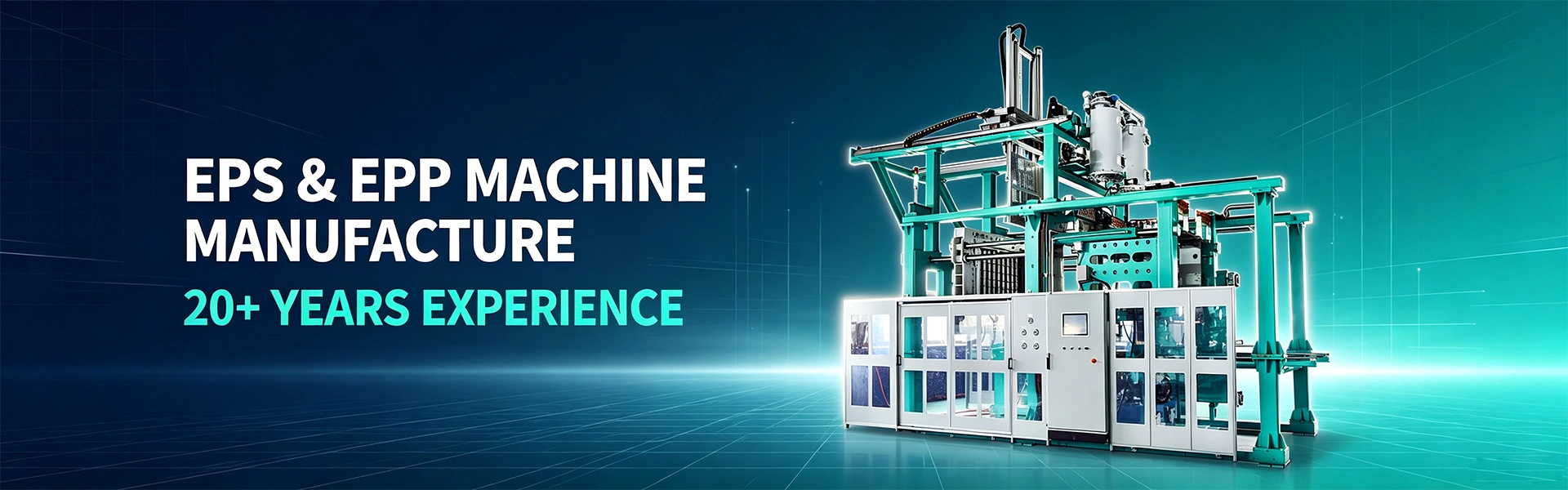
In today's ever-evolving industries, finding effective solutions for packaging and insulation challenges is crucial for businesses. EPS (Expandable Polystyrene) has emerged as a versatile material that addresses these needs. This article will explore the diverse applications of EPS. Discover how EPS can solve your packaging and insulation problems and revolutionize your business.
I. What is EPS (Expandable Polystyrene)?
EPS, also known as expandable polystyrene, is a lightweight and versatile material derived from polystyrene. It is created by expanding small polystyrene beads through a heating and molding process. This expansion results in a rigid foam material with numerous beneficial properties.
II. Applications of EPS: Solving Packaging and Insulation Challenges
EPS finds extensive use in various industries due to its unique characteristics. Let's explore the primary applications of EPS:
1. Packaging:
EPS is widely utilized in packaging due to its exceptional protective capabilities and versatility. It can be molded into any shape, making it suitable for packaging products of all sizes and shapes. EPS packaging offers the following advantages:
- Cushioning: EPS provides superior cushioning and shock absorption, protecting fragile items during transportation and storage.
- Thermal Insulation: EPS packaging helps maintain the desired temperature for temperature-sensitive products, such as food, pharmaceuticals, and electronics.
- Moisture Resistance: EPS is moisture-resistant, ensuring the packaged products remain dry and unaffected by moisture damage.
- Lightweight: EPS packaging is lightweight, reducing shipping costs and allowing for easy handling.

2. Construction Insulation:
EPS is widely used as insulation material in the construction industry. It offers excellent thermal and sound insulation properties, contributing to energy efficiency and occupant comfort. Key benefits of EPS insulation include:
- Thermal Efficiency: EPS insulation reduces heat transfer, minimizing energy consumption for heating and cooling and creating a comfortable indoor environment.
- Moisture Resistance: EPS insulation resists moisture absorption, preventing mold growth and maintaining insulation performance.
- Versatility: EPS can be used in various applications, including walls, roofs, floors, and foundations, providing insulation solutions for both new constructions and renovations.

3. Geofoam:
EPS geofoam is a lightweight and high-strength material used in civil engineering applications. Its advantages include:
- Load Distribution: EPS geofoam distributes load effectively, reducing stress on underlying soils and structures.
- Stability: EPS geofoam provides stability in applications such as slope stabilization, road and railway embankments, and foundation support.
- Lightweight: The low weight of EPS geofoam minimizes the load on underlying soils and structures, making it ideal for projects with weak or compressible soils.

III. Conclusion:
EPS, or expandable polystyrene, is a versatile material that addresses packaging and insulation challenges in various industries. Its applications range from protective packaging solutions to energy-efficient insulation in the construction sector. By leveraging the unique properties of EPS, businesses can enhance product protection, improve energy efficiency, and revolutionize their operations.