

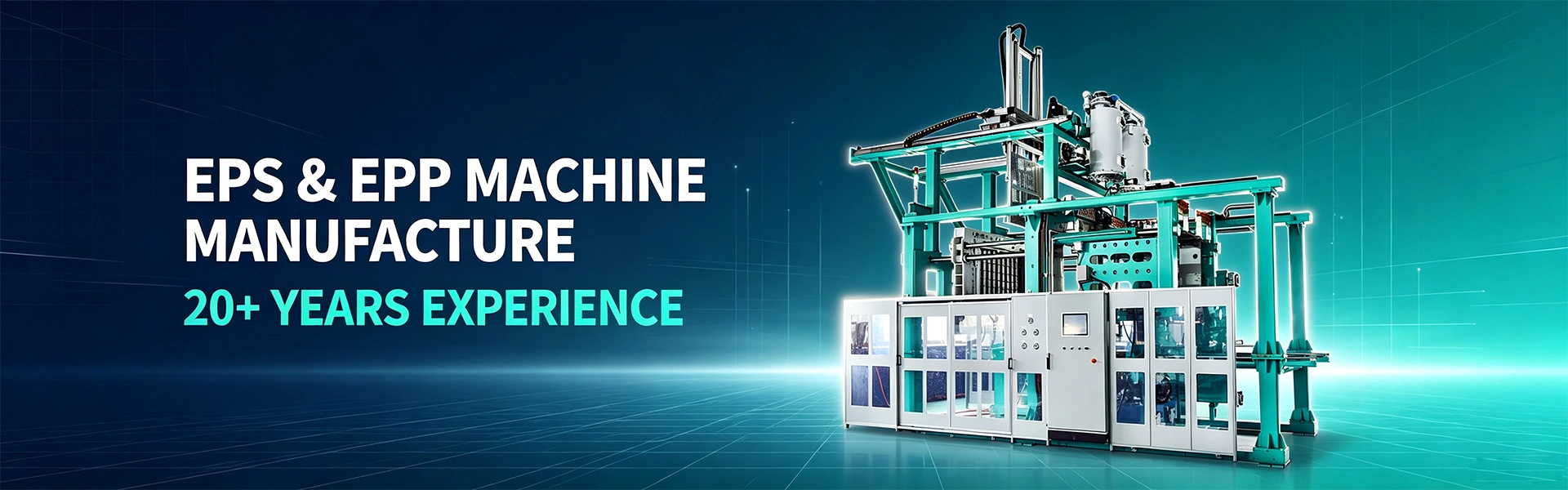
With the continuous growth of industrial automation and personalized needs, foam cutting machines are increasingly used in all walks of life. As a supplier, a deep understanding of the diverse application scenarios of foam cutting machines will help to accurately grasp customer needs and formulate targeted product promotion strategies. This article will focus on analyzing the practical applications of foam cutting machines in the packaging industry, construction industry, stage art and model making, and transportation cushioning material production.
1. Customized foam cutting in the packaging industry
The packaging industry is a traditional and important application field for foam cutting machines. Foam materials are widely used as protective linings for electronic products, precision instruments and fragile items due to their lightweight, cushioning and shockproof properties.
Customized cutting: Foam cutting machines can accurately cut out packaging linings that meet the requirements according to product size and shape, thereby improving product protection effects.
Improve packaging efficiency: Automated cutting equipment significantly shortens packaging production time and meets mass production needs.
Reduce material waste: Accurate cutting reduces the loss of foam materials and reduces corporate costs.
Suppliers can focus on promoting the high-precision and flexible cutting capabilities of equipment to meet customer needs for personalized packaging.
2. Construction industry (insulation material cutting)
In the construction field, foam materials have become a commonly used insulation material due to their excellent thermal insulation properties. Foam cutting machines help to achieve precise size cutting of insulation boards:
On-site cutting: According to the requirements of architectural design, foam insulation boards of different thicknesses and sizes can be quickly cut.
Various shapes: Support straight and special-shaped cutting to meet the needs of complex building structures.
Save construction time: Improve the installation efficiency of insulation materials and shorten the construction period.
Suppliers can emphasize the durability and large-size processing capabilities of equipment for construction customers to enhance market competitiveness.
3. Stage art, model making and handicraft processing
Foam materials are favored by stage scenery, architectural models and handicraft production because they are easy to process and shape. The flexibility and precision of foam cutting machines play a huge role in this field:
Complex shape cutting: It can achieve cutting of multiple curves and three-dimensional shapes to meet creative design needs.
Rapid prototyping: Help artists and designers to efficiently complete model and scenery production.
Material diversification and adaptation: Support cutting of foam materials of different densities and thicknesses.
Suppliers can promote CNC cutting technology to meet customers' ultimate pursuit of details and creativity.
4. Transportation cushioning material production
The transportation industry has extremely high requirements for cargo safety, and foam cushioning materials are the key to ensuring the safety of cargo transportation. Foam cutting machines help manufacture various cushions and support structures:
Multi-specification customization: Customize the cushioning structure according to the size of the cargo to ensure vibration absorption during transportation.
Batch production capacity: Suitable for mass production and improve the response speed of the supply chain.
Environmental protection and material saving: Precise cutting reduces material waste and conforms to the concept of green production.
Suppliers should focus on the stability and efficiency of the equipment to help customers achieve high-quality cushioning material production.
Conclusion
With its efficient, precise and flexible processing capabilities, the foam cutting machine has shown strong application potential in packaging, construction, stage art and transportation and other industries. Suppliers have a deep understanding of the application characteristics of various industries and recommend suitable equipment and solutions in a targeted manner, which will effectively improve customer satisfaction and market share.