

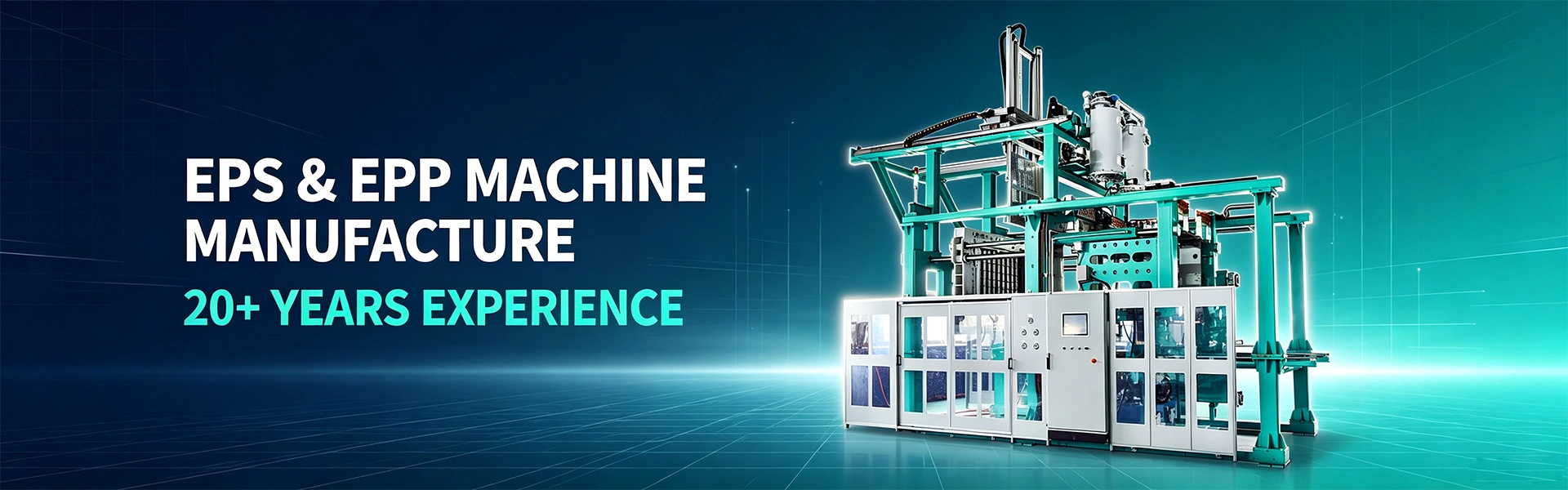
Welcome to our comprehensive guide on recycling wasted EPS products. As an EPS machine manufacturer and EPS raw material supplier, we understand the importance of finding sustainable solutions for managing EPS waste. In this article, we will explore the challenges associated with EPS recycling and present effective methods to recycle and repurpose EPS products. Through a combination of informative text, engaging images, and illustrative videos, we aim to educate and inspire readers to join us in creating a greener and more environmentally conscious world.

EPS, also known as Expanded Polystyrene or Styrofoam, presents unique recycling challenges due to its lightweight nature and complex composition. However, it is crucial to tackle this issue as EPS waste takes up significant space in landfills and contributes to environmental pollution. To overcome these challenges, innovative recycling methods have been developed to transform wasted EPS products into valuable resources.
EPS recycling involves a series of steps to collect, sort, and process the waste material. The first step is collection, where EPS waste is gathered from various sources such as packaging, construction, and electronics industries. After collection, the EPS is sorted to remove any contaminants and separate it into different grades based on its quality and composition.

Next, the sorted EPS is processed through a mechanical recycling method. In this process, the EPS waste is shredded into small particles, melted, and formed into new EPS products or other plastic materials. The mechanical recycling method significantly reduces the environmental impact of EPS waste and promotes the circular economy by giving the material a new life.
Beyond mechanical recycling, EPS can also be repurposed for various applications. One such method is the production of lightweight concrete by mixing shredded EPS with cement and other additives. This not only reduces the amount of cement used but also improves the insulation properties of the resulting concrete.
Additionally, EPS waste can be transformed into energy through a process called pyrolysis. By heating the EPS in the absence of oxygen, it breaks down into gas, oil, and char. These byproducts can be used as alternative energy sources, reducing the dependency on fossil fuels and minimizing the environmental impact of EPS waste.
Recycling wasted EPS products is a crucial step towards building a sustainable future. Through effective recycling and repurposing methods, we can minimize the environmental impact of EPS waste and promote the responsible use of resources. By embracing innovative recycling techniques, such as mechanical recycling and repurposing EPS for concrete or energy production, we can make a significant difference. Let's work together to create a greener world by adopting EPS recycling practices and supporting initiatives that contribute to a circular economy.
