

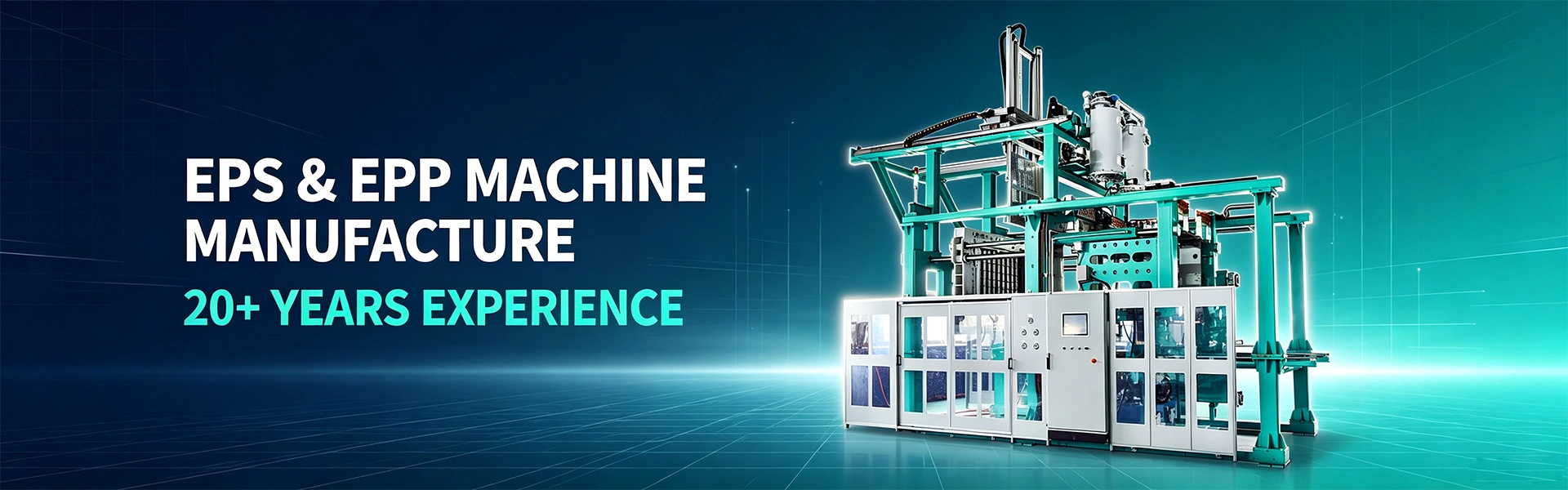
EPS mold, also known as expanded polystyrene mold, is a type of mold used in the manufacturing of polystyrene foam products. EPS is a lightweight and durable material that has been used for insulation, packaging, and construction for many years. EPS mold is used to shape and mold EPS into different shapes and sizes, ranging from small packaging materials to large blocks used in construction.
The manufacturing process of EPS mold involves several steps. First, the mold is designed using computer-aided design (CAD) software. The mold is then cut using a CNC machine or a laser cutter. The mold is then assembled, and the EPS material is injected into the mold cavity. The mold is kept closed until the EPS is fully expanded and hardened. Once the EPS is fully expanded and hardened, the mold is opened, and the EPS product is ejected.
EPS mold is known for its versatility, as it can be used to produce a wide range of products for various industries. Some of the products that can be produced using EPS mold include insulated packaging, surfboard cores, floral foam, and building materials. EPS foam products are popular because they are lightweight, insulating, and cost-effective.
EPS molds are also known for their durability, as they can be reused for several production runs. However, it is essential to maintain and clean the mold regularly to ensure its longevity. The mold must be free of any debris or residue to ensure the EPS product comes out smoothly and free of any defects.
In conclusion, EPS mold is a vital tool in the manufacturing of EPS foam products. Its versatility, durability, and cost-effectiveness make it a popular choice for many industries. Proper maintenance and cleaning are essential to ensure the longevity of the mold and produce high-quality EPS products.